
2023/11/02
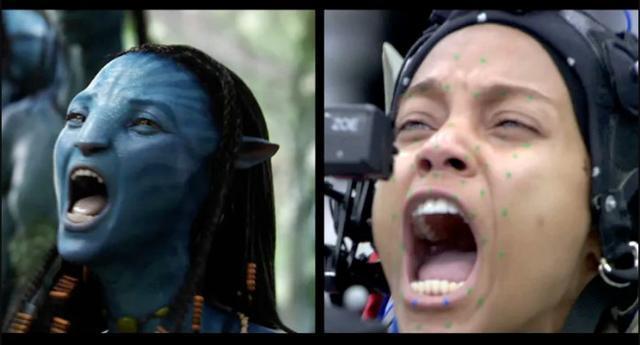
The film Avatar used sensors to capture actors’ movements so they could appear as alien beings. Scientists have adopted this same technology to track disease progression.
In many cases, the sooner such illnesses are assessed, the earlier patients can receive appropriate support and treatment. The new system leverages artificial intelligence to analyse body movements. In trials, UK specialists were able to gauge the severity of two genetic disorders twice as fast as top physicians. Researchers state it can also cut the duration in half and substantially reduce the cost of developing new medicines in clinical trials. The study was published in Nature Medicine. Dr Valeria Ricotti from the Great Ormond Street Institute of Child Health told BBC News she was “absolutely blown away by the results”. “The impact for diagnosis and developing new drugs for a wide range of conditions could be absolutely enormous.”
Dr Ricotti is part of a research team from Imperial College London and University College London that spent 10 years developing this new technology. They tested it on patients with Friedreich’s ataxia (FA) and Duchenne muscular dystrophy (DMD) in two separate studies. Researchers say it may also be used to monitor patients recovering from other movement-affecting conditions. These include disorders involving the brain and nervous system, heart, lungs, muscles, bones, and certain psychiatric illnesses. Sensors were strapped to James’s wrists, elbows and knees to monitor how his movement was impacted by Duchenne muscular dystrophy, a rare genetic disorder. Tracking the severity and likely progression of such diseases usually involves measuring in clinics how quickly and accurately patients perform a set of standardised movements. This assessment, critical for deciding what support and treatment patients need, can take years.
Two studies published on Thursday show that motion capture systems can complete this task faster and with greater accuracy. Adapted from the technology filmmakers used to record actors’ movements for Avatar to create lifelike aliens on screen, the method represents a major advance, according to Professor Aldo Faisal of Imperial College London, one of the scientists behind the idea. “Our new approach can pick up subtle movements that humans cannot detect,” he said. “It has the power to transform clinical trials and improve diagnosis and monitoring for patients.”
Professor Aldo Faisal (right) is developing a sensor system capable of tracking movement in everyday settings outdoors and outside clinics. FA typically emerges during adolescence and affects one in 50,000 people, while DMD impacts 20,000 children worldwide each year, most of them boys. There is currently no cure. A team at Imperial College London first trialled the motion sensor suits on patients with FA. They found AI could predict disease worsening within 12 months, half the time experts normally require. A separate team at Great Ormond Street tested the technology on 21 boys aged between 18 and under with DMD. It predicted how their mobility would be affected over the next six months more accurately than doctors. Researchers believe their system can speed up and lower the cost of clinical trials testing new medicines for a range of illnesses.
In particular, it may make trials of new drugs for rare genetic disorders more cost-effective. Movements are recorded and analysed by an AI system that can evaluate any deterioration in patients twice as quickly as the best clinicians. Professor Paola Giunti, Director of the Ataxia Centre at University College London, said: “We will be able to trial more drugs with fewer patients at lower cost.” In the case of DMD, roughly 100 patients were previously required over about 18 months to achieve statistically significant results relating to a new drug’s effectiveness. The study shows the new system can deliver results with 15 patients within six months. Around 6,000 rare genetic disorders exist in the UK, affecting approximately one in 17 people. Each condition may have only a few hundred patients or fewer. This discourages pharmaceutical companies from running costly clinical trials to develop new therapies for them.
Game Changer Professor Richard Festenstein from the MRC London Institute of Medical Sciences told BBC News that applying suit-based technology has the potential to transform the economics of drug discovery. “It will attract pharmaceutical industry investment into rare diseases,” he said. “The main beneficiaries of our research will be patients, as this technology will enable new treatments to come forward faster.” Researchers are already seeking approval for using motion capture in drug trials for FA and DMD; if approved, trials may begin within two years. They are also gathering data for Parkinson’s disease, Alzheimer’s disease and multiple sclerosis.





+86-21-56472866 / 13310099680
1190 Nong METACINE (South Gate), Building 1, CHINGMU, Zhengtai Road,Baoshan District, Shanghai

Hot searches: Motion capture, Optical motion capture, Motion capture system robot, Motion capture, Bionic robot, Motion control, Gait analysis, Rehabilitation training action assessment, Animation production, Virtual idol live streaming, Expression capture, Virtual production, Pre-visualization, Performance capture