
2023/10/27
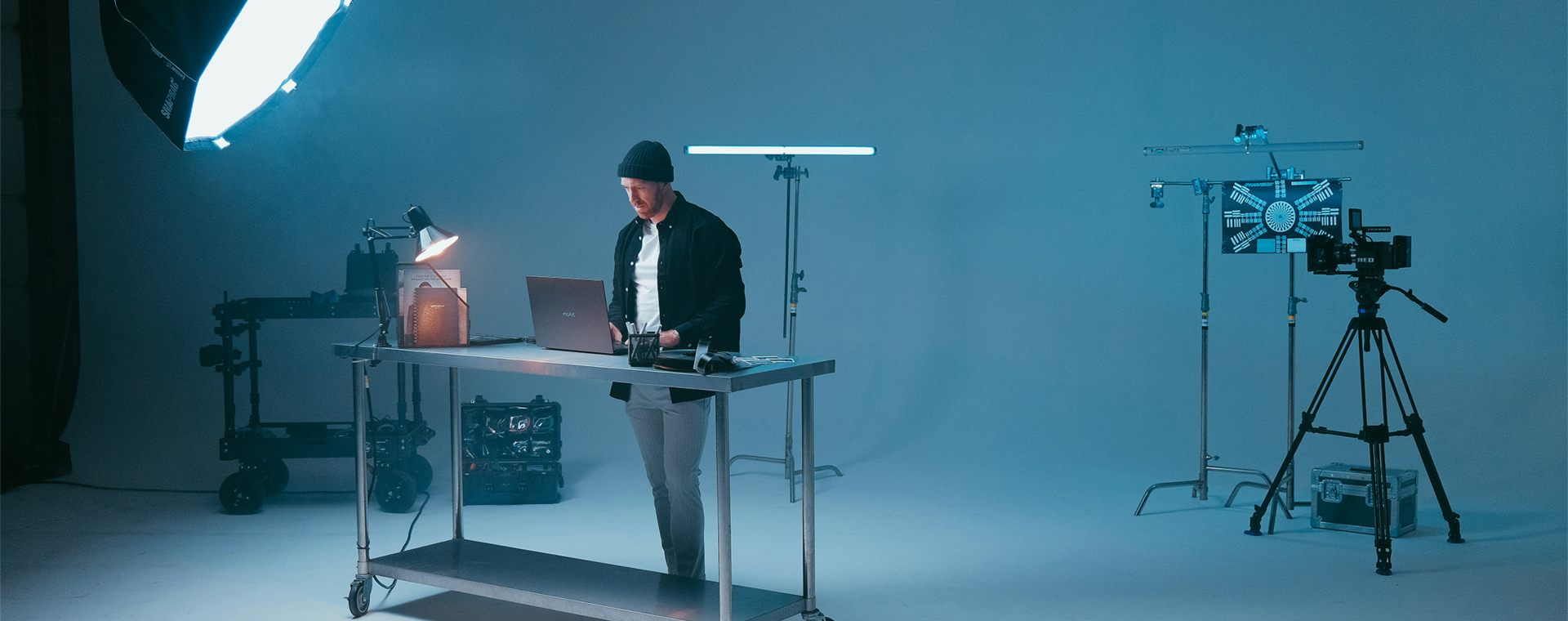
Virtual production and real-time technologies are becoming commonplace across the media and entertainment industries. Content creators, broadcasters and filmmakers are increasingly adopting real-time AR graphics and in-camera visual effects in their workflows, with creativity held to a continuously rising standard. Unlike traditional workflows, however, deep technical knowledge is critical to success in virtual production.
As someone who transitioned from a creative background into a role requiring extensive technical expertise, I believe this new production methodology will shift the focus of creative careers and build strong technical affinity among creative practitioners. Before becoming a producer, I started my career at an advertising agency as a graphic designer and art director. Creativity has always been the driving force throughout my career, yet after joining Silver Spoon, my understanding of the technology powering creative outputs expanded rapidly. I have come to realise that such technical knowledge is an equally vital component of my profession.
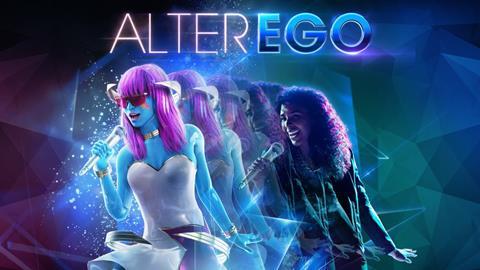
From my own experience, Fox’s avatar singing competition Alter Ego serves as a strong example of technology enabling creative vision. This ground-breaking live television broadcast featured a cast of AR avatars taking the stage and seamlessly blending with real-world environments, pushing the boundaries of what was possible with VP technology at the time. As Executive Producer at Silver Spoon, the company that helped deliver the show, I could only be confident in delivering the creative vision through a solid grasp of the underlying tech stack supporting it. From motion capture and facial animation to DMX and real-time compositing, one cannot be realised without understanding the other.
With the rapid rise of AR, MR and virtual production, the traditionally separate, distinct worlds of technical and creative thinking are becoming increasingly intertwined. This is where new opportunities emerge, as there is an urgent demand for more specialists who can bridge the gap between creative and technical domains.
Real-time virtual production is an industry where technology and creativity merge. The idea of being confined — or intentionally confining oneself — solely to either the creative or technical silo does not align with the demands of the industry. The interdependent way of working in this field means that to unlock a project’s full creative potential, you need a foundational understanding of the technology driving it.
To truly thrive in virtual production, a hybrid skill set is required. The sector needs producers who can think creatively and understand technology, artists with forensic knowledge of the capabilities and limitations of the platforms they build on, and developers who can visualise the creative applications for the frameworks they design.
This shift in emphasis means the industry must continue to support universities and educators to ensure curricula and degree programmes are tailored for this new mindset. The leap from academic study to professional practice is already substantial, and the professional landscape evolves at high speed. The future workforce must be equipped with the tools needed to succeed, and cognitive approaches that teach creativity alongside technology form a key part of this.
Working within the world of emerging creative technology is an exciting prospect. The field abounds with opportunities for creative technologists, developers, technical artists, producers and project managers. The future will bring a host of production enhancements — such as the adoption of AI tools within workflows and new technologies to help deliver more spectacular projects. Still, the beating heart of any production remains the team behind it, and those best positioned to excel will be the people who embrace the ever-deepening integration of creativity and technology.





+86-21-56472866 / 13310099680
1190 Nong METACINE (South Gate), Building 1, CHINGMU, Zhengtai Road,Baoshan District, Shanghai

Hot searches: Motion capture, Optical motion capture, Motion capture system robot, Motion capture, Bionic robot, Motion control, Gait analysis, Rehabilitation training action assessment, Animation production, Virtual idol live streaming, Expression capture, Virtual production, Pre-visualization, Performance capture