
2023/03/03
With the development of technology, a growing number of compact intelligent robots have entered ordinary households, among which sweeping‑robot is one of the most common devices. Apart from household sweeping robots, commercial‑grade sweeping robots are also ready to launch into the market once related technologies mature.
Cleaning‑coverage rate is a vital indicator to judge whether a sweeping‑robot meets product qualification standards. The coverage‑rate test is carried out by running the robot inside a simulated residential or commercial environment. Based on its travel trajectory, the covered area within a specified time is calculated and then divided by the total area of the test‑site, so as to obtain the cleaning‑coverage ratio.
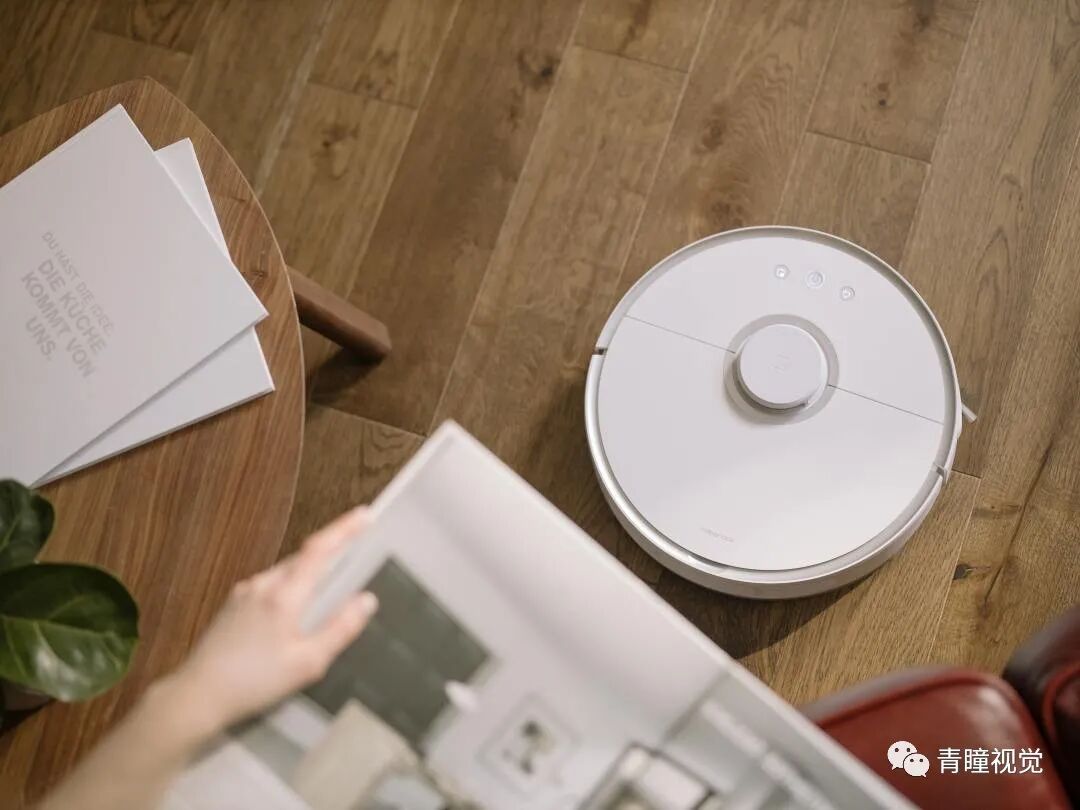
Testing for cleaning‑coverage rate requires tracking data including motion trajectory, position and orientation of the sweeping robot during operation. Traditional solutions adopt cameras and target markers for data recording, followed by image processing to restore trajectories. Nevertheless, this method calls for a large quantity of cameras, heavy‑duty data‑processing capacity and high capital budget. It also features slow computation speed without real‑time preview. For this reason, the Xiangcheng Research Institute of Robotics and Intelligent Equipment, Soochow University, looked for alternative technical solutions.
Besides camera‑based visual tracking, another approach uses transmitters mounted on robots to send positional data to receivers. This solution has two defects affecting test results: low positioning accuracy, and physical interference to robot movement caused by the onboard transmitter.
Laser positioning is also widely applied in the industry. While delivering high‑precision results, the relevant equipment costs over 3 million RMB, which is far from cost‑effective for experiments requiring accuracy tolerance above 0.5 mm. The limitations of the three conventional solutions created an opportunity for cooperation between CHINGMU and the Xiangcheng Research Institute of Robotics and Intelligent Equipment, Soochow University.
CHINGMU’s optical 3D motion‑capture system normally uses spherical markers, which would interfere with the movement of sweeping robots. Tailored to the project requirements, CHINGMU adopted flat sticker‑type marker points. Infrared optical cameras capture accurate positional data without obstructing robot motion. Hardware selection aside, positioning accuracy was another key factor for the experiment. The research institute compared CHINGMU’s system with laser locators and other optical camera‑based solutions. Within a 20‑square‑meter test‑area divided into nine equal zones, tests on relative‑displacement accuracy and angular accuracy were conducted. CHINGMU’s motion‑capture system achieved an average error of less than 0.42 mm in relative‑displacement measurement and an angular error within 0.036°, delivering top‑tier performance that satisfied both accuracy requirements and budget constraints.
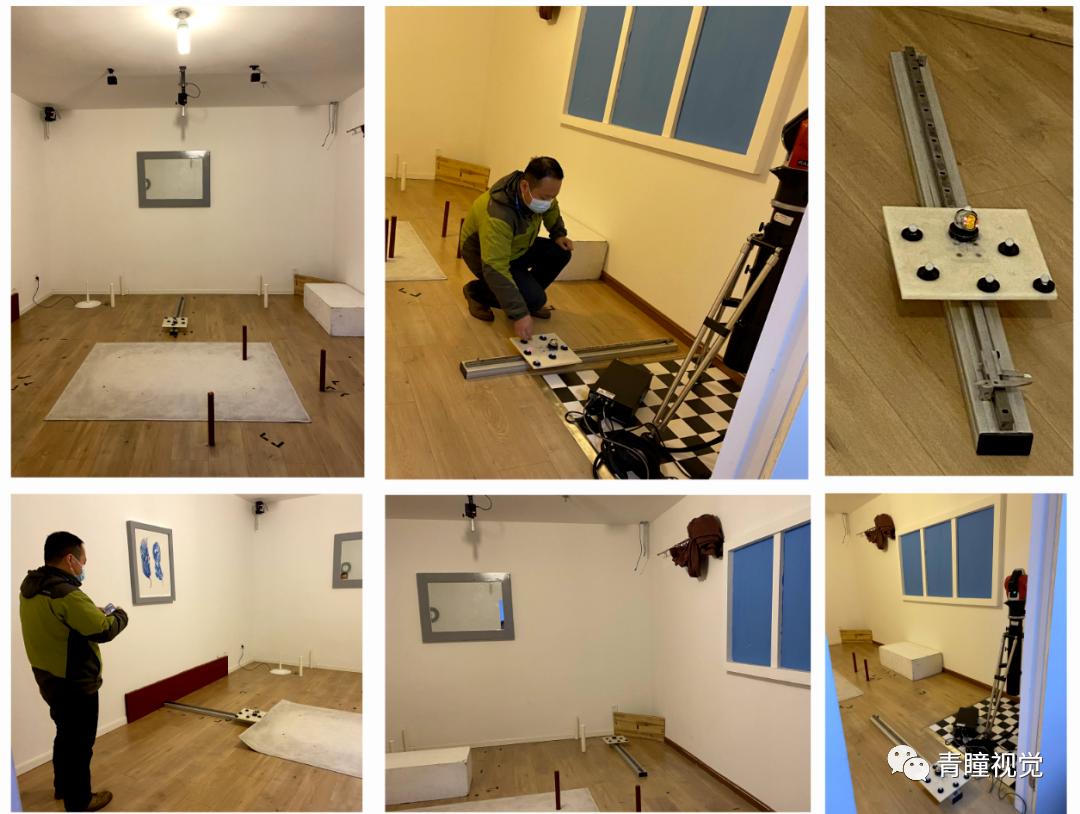
On‑site comparison test of laser positioning and optical motion‑capture
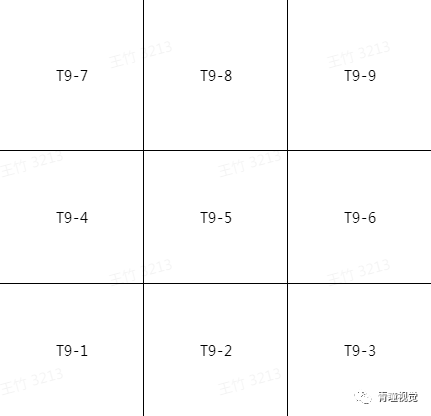
Test‑area layout Nine‑grid sampling points; horizontal and vertical movement tests performed at each point
After solving hardware‑related problems, software‑development issues for the Pose Tracking System (PTS) still needed to be addressed. The research institute had previously contacted overseas optical motion‑capture vendors, whose closed‑source software provided no open interfaces. As a result, algorithm traceability and customized function development could not be realized, and their pricing lacked competitiveness.
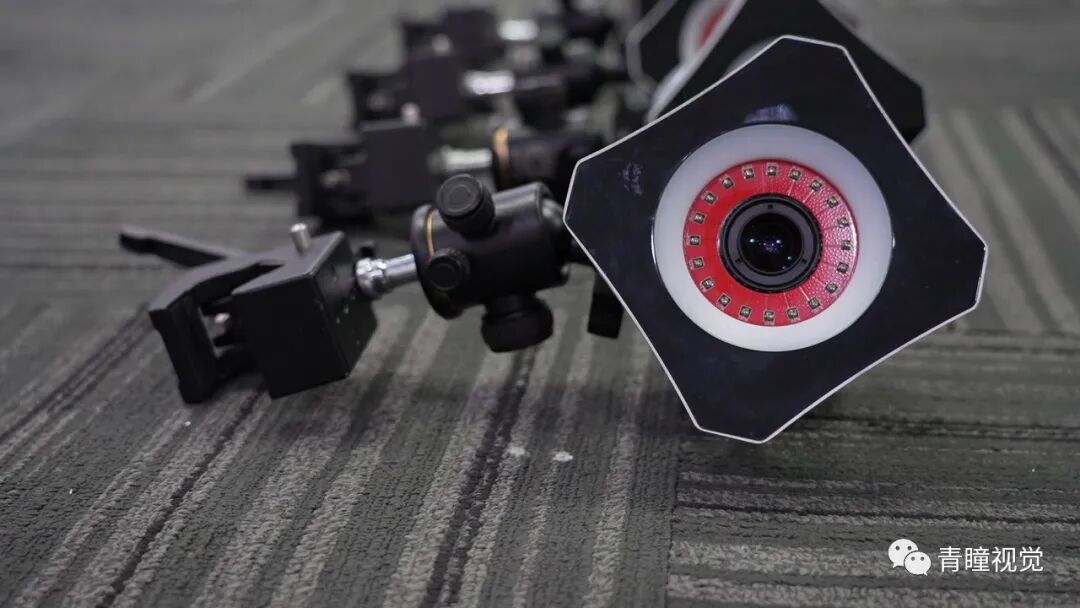
CHINGMU MC1300 Camera
CHINGMU independently develops its optical tracking cameras and motion‑capture software. Secondary‑development customization is available to output required measurement data and implement application logic according to experimental parameters and industrial standards.
Two laboratory scenarios were set up for this experiment: a 20‑m² simulated household environment and a 160‑m² simulated commercial environment. CHINGMU optical 3D motion‑capture system is capable of tracking single or multiple sweeping‑robots even in large‑scale spaces. It records robot orientation, position, velocity and other motion data with real‑time trajectory preview, overcoming the drawbacks of traditional testing methods such as high costs, insufficient precision and delayed image‑data processing.
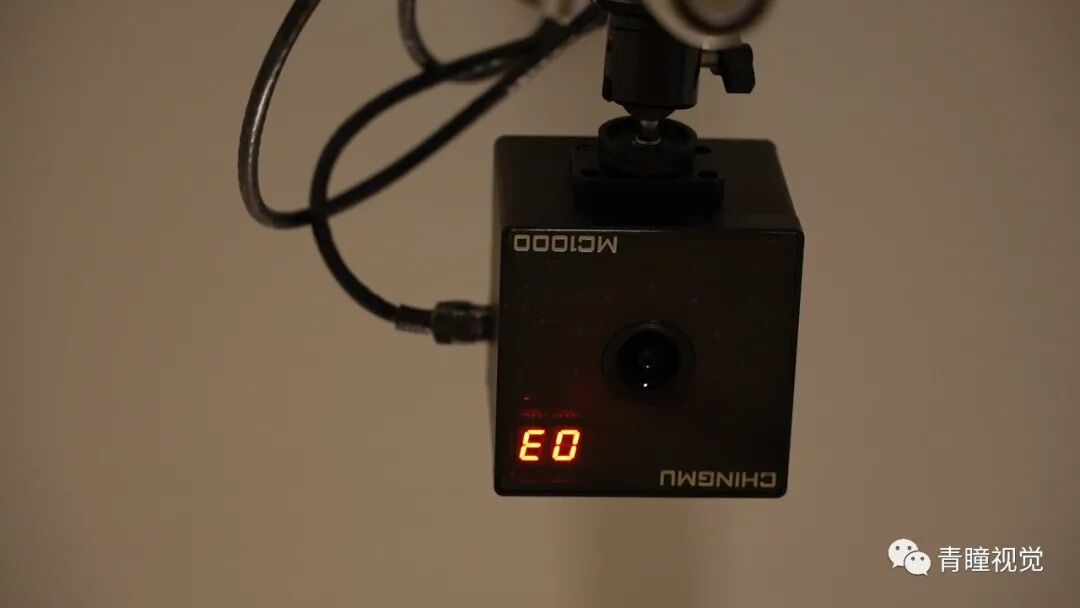
Beyond supporting the current experiment, CHINGMU’s motion‑capture system can continue to deliver multi‑dimensional, high‑precision experimental data for subsequent spatial‑tracking research between robots and workbenches, serving as the core technical driver for long‑term research projects.
CHINGMU Joins OpenLET Community to Co‑Build an Open Ecosystem for Human Motion Data
On August 27 CHINGMU Shanghai Vision Technolog...




+86-21-56472866 / 13310099680
1190 Nong METACINE (South Gate), Building 1, CHINGMU, Zhengtai Road,Baoshan District, Shanghai

Hot searches: Motion capture, Optical motion capture, Motion capture system robot, Motion capture, Bionic robot, Motion control, Gait analysis, Rehabilitation training action assessment, Animation production, Virtual idol live streaming, Expression capture, Virtual production, Pre-visualization, Performance capture
