
2023/12/01
An animated motion capture film combines animation with motion capture technology. In these films, real-life actors wear special suits fitted with markers that track their movements. Data captured from their performances is then used to animate digital characters within the movie. It is like translating an actor’s movements into the animated world.
This technology enables more lifelike and detailed character animation, as it captures the subtle nuances of human movement. As a result, in animated motion capture films, we can watch digital characters brought to life through the performances of real actors.
Now let’s take a look at my picks for the best animated motion capture films. These are my favourite movies so far!
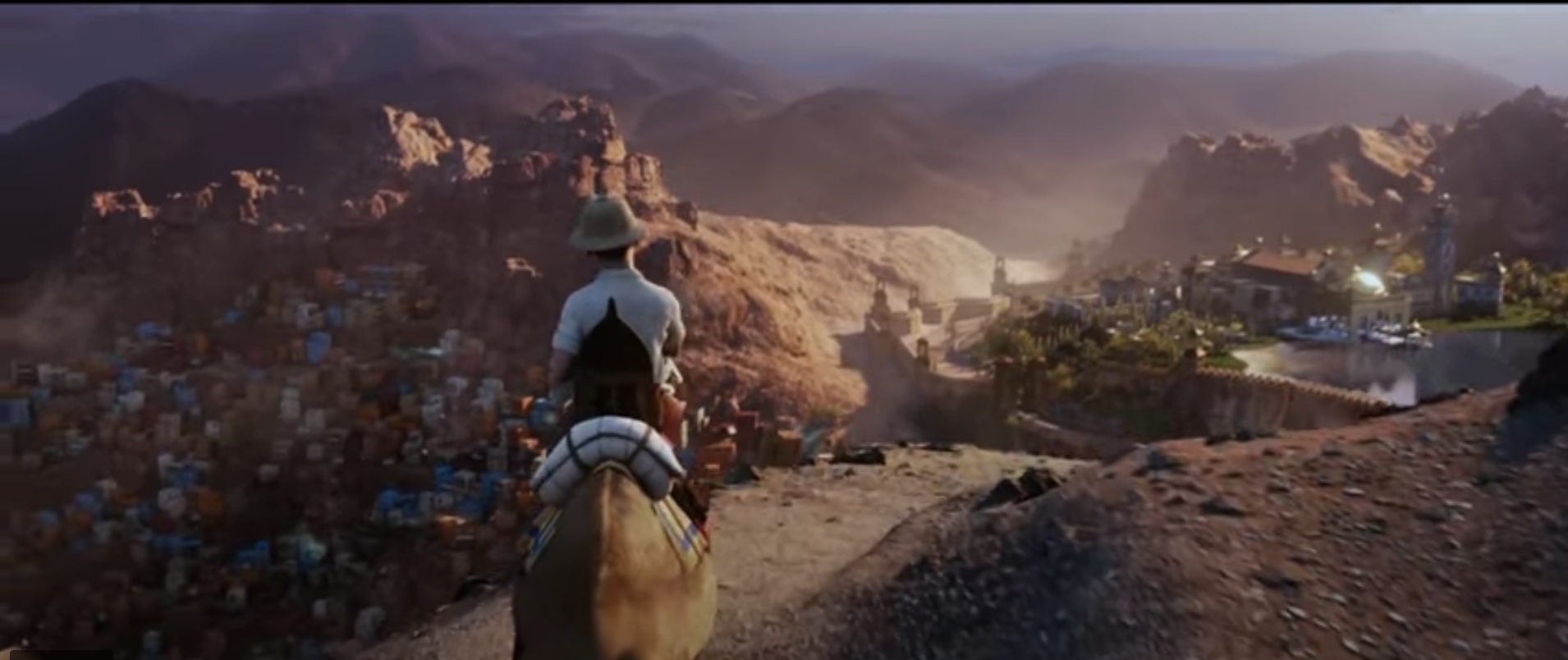
Spielberg knows how to work his magic. The way he brings Hergé’s characters to life is breathtaking. Right from the start, you can tell he set out to delight both diehard Tintin fans and newcomers alike.
The animation style powered by motion capture is perfectly executed. They avoided the uncanny valley effect and stayed true to Hergé’s artwork.
Don’t miss Andy Serkis as Captain Haddock — he steals the show! The entire cast is fantastic. The film strikes a perfect balance between comedy and adventure, with awesome scene transitions and an incredible pirate sequence.
Any downsides? The 3D version is unnecessary, so save your money and go for the 2D cut. Trust me! Whether or not you know Tintin, this is a must-watch. It easily ranks among the best films of the 2010s.
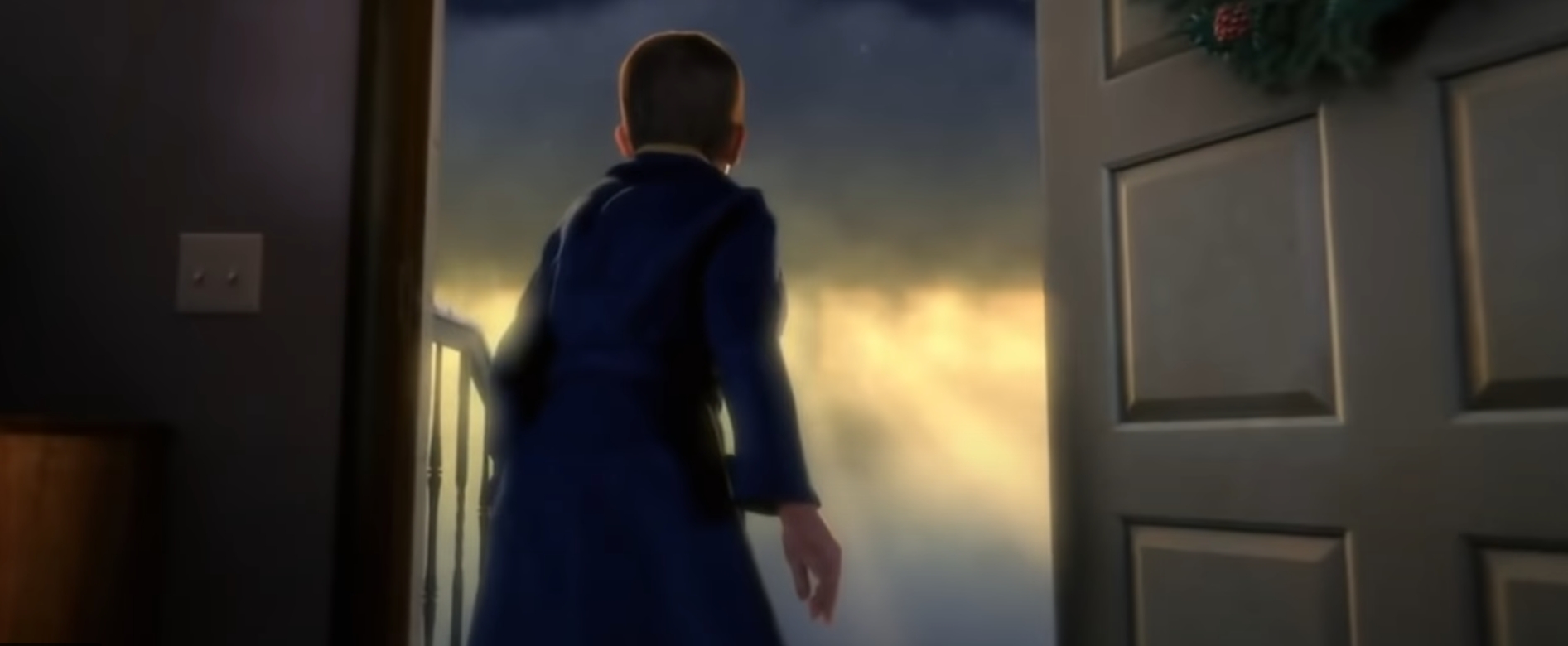
Robert Zemeckis stepped away from his usual work and decided to adapt Chris Van Allsburg’s book using this new animation technology. He wanted full creative control over the filmmaking process, and motion capture gave him exactly that. He even cast Tom Hanks to play multiple roles using the technique.
It is amazing how they captured the actors’ performances and turned them into animated characters. The film’s visuals are striking, and Zemeckis has spoken about his work on it.
Of course, not everyone loved it, yet you cannot deny its influence on later CGI blockbusters. Credit to Zemeckis for pushing boundaries, even when it did not always land perfectly.
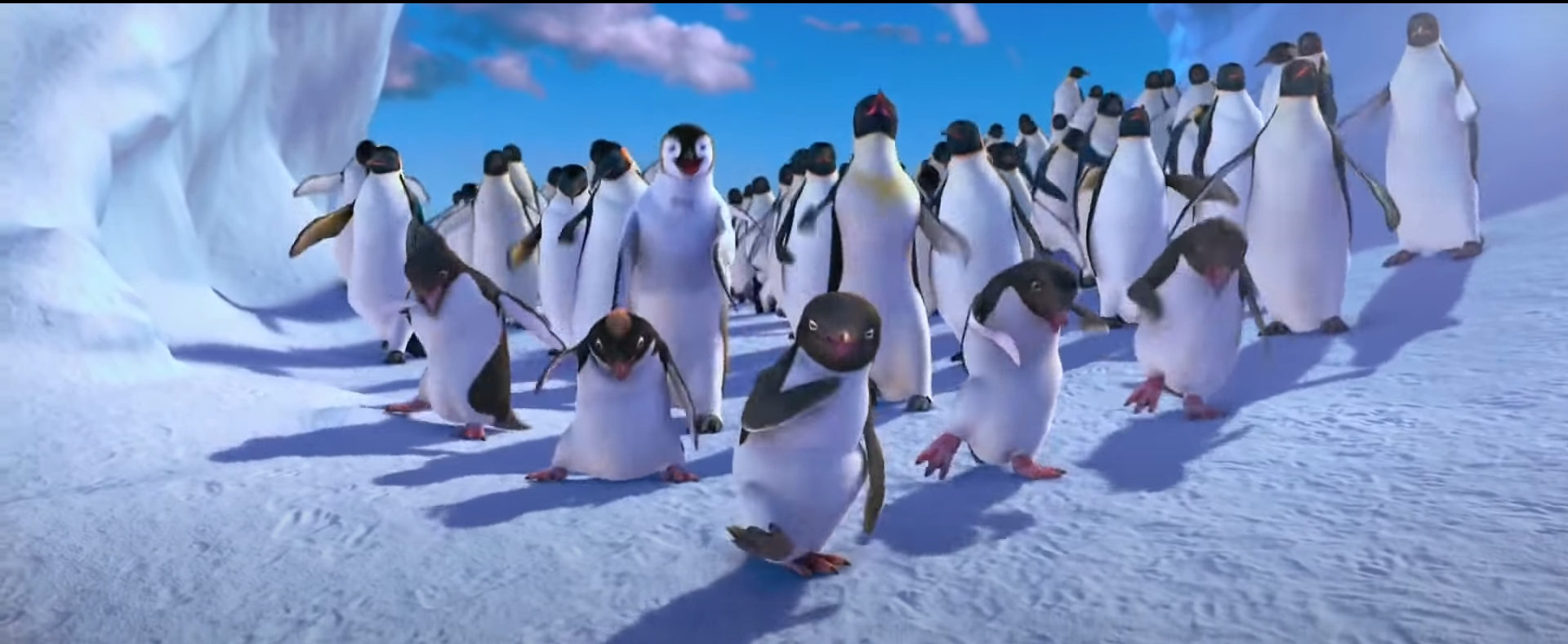
It is impressive how they blended real human movements with animated penguin characters. The result delivers a unique visual experience that stands out among animated films. It even won the Academy Award for Best Animated Feature, beating Pixar’s Cars.
Speaking of Pixar, they specifically emphasized that their next film Ratatouille was 100% traditional animation. Happy Feet took a different approach. The movie was released in standard theatres and IMAX 2D theatres, giving audiences a chance to enjoy its vibrant animation on the big screen.
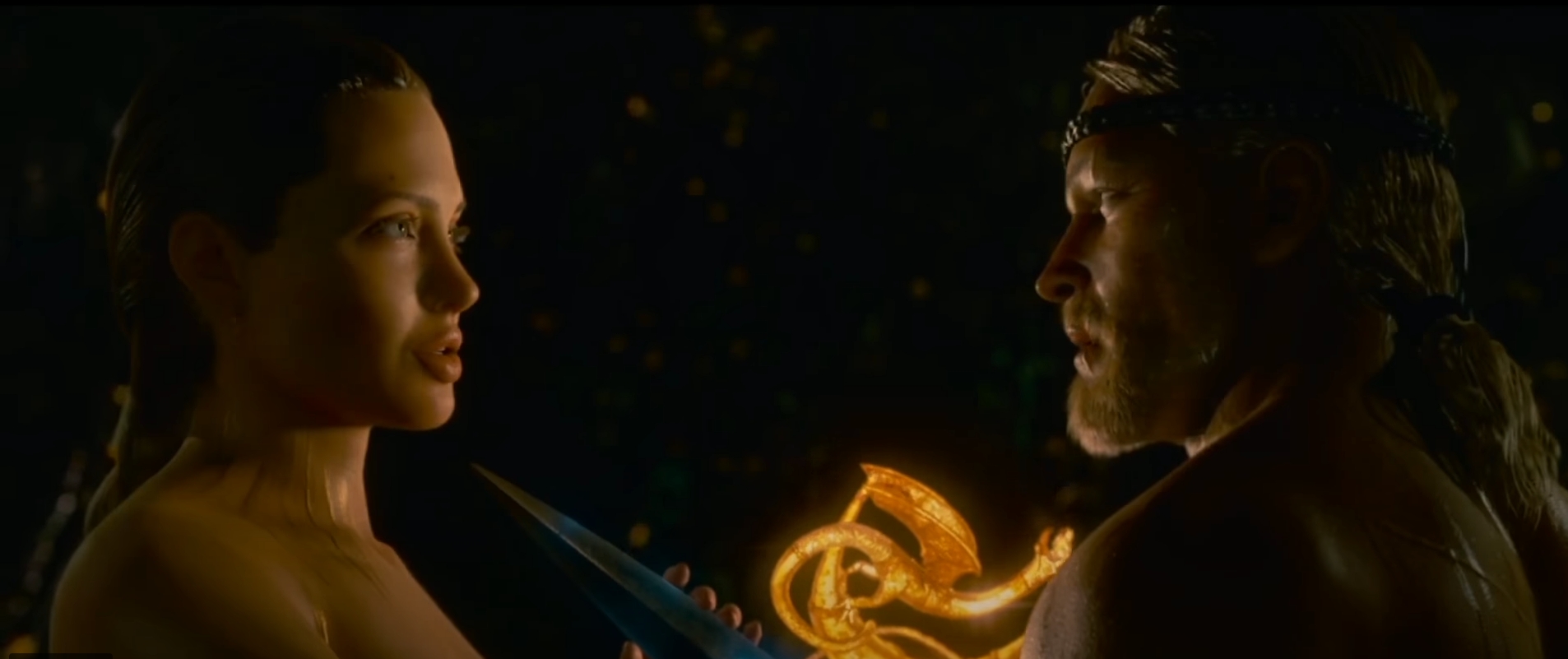
Let me tell you, the motion capture work on Beowulf was no trivial task. The effort put into capturing those performances and bringing them to life was immense. They used different types of cameras on set: one for recording video, and another purely for capturing motion without any imagery.
It is incredible how they later applied this captured motion to create human characters. Still, we must not overlook the hard work during post-production. It is often overlooked, yet this is where the magic happens.
The team had to ensure everything looked top-tier on screen. The dedication and effort poured into this motion capture production were truly landmark.
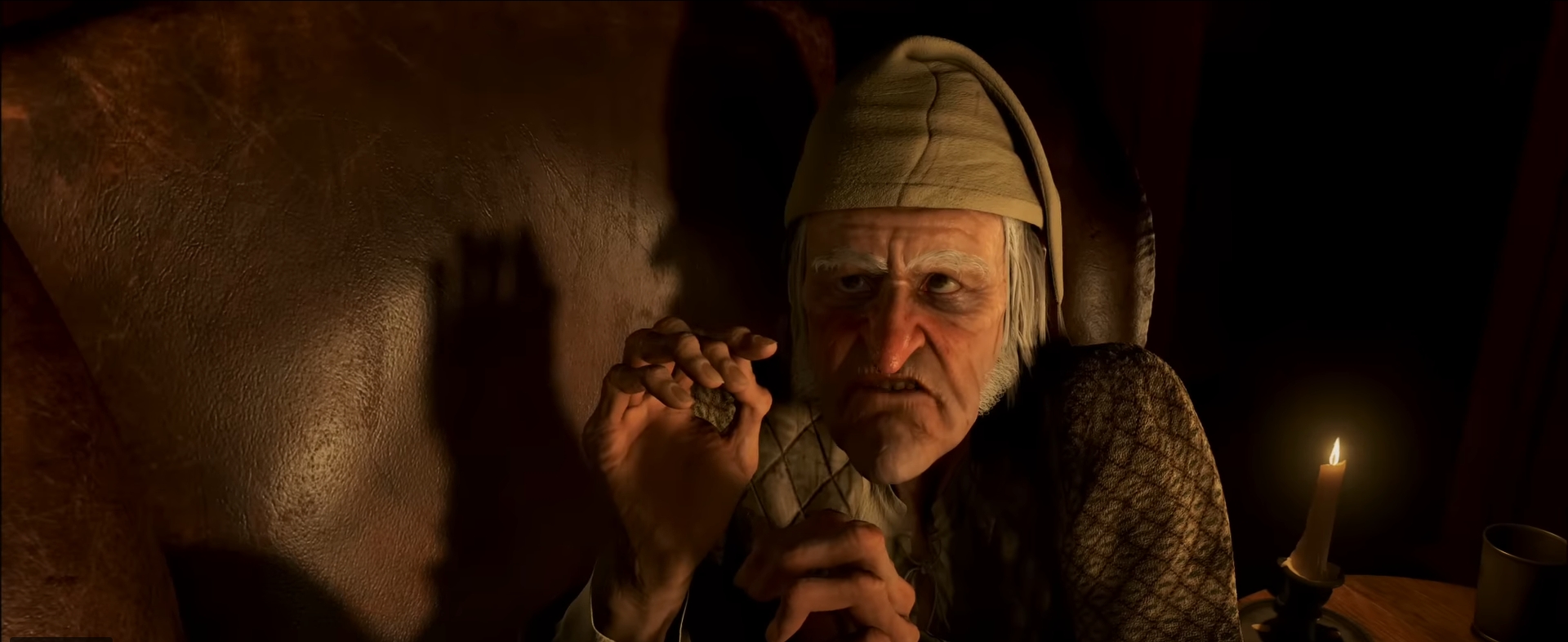
A Christmas Carol built on Zemeckis’ earlier films and adopted motion capture. The outcome? An animated adaptation of Charles Dickens’ classic tale that brings the story to life in an entirely new way. It boasts a stellar cast including Jim Carrey, Gary Oldman, Colin Firth and more.
Motion capture adds depth and realism to the characters and lets their performances shine. It is remarkable how subtle details in the actors’ facial expressions and movements were captured.
This film breathes new life into this timeless story and is well worth watching, especially over the holiday season.
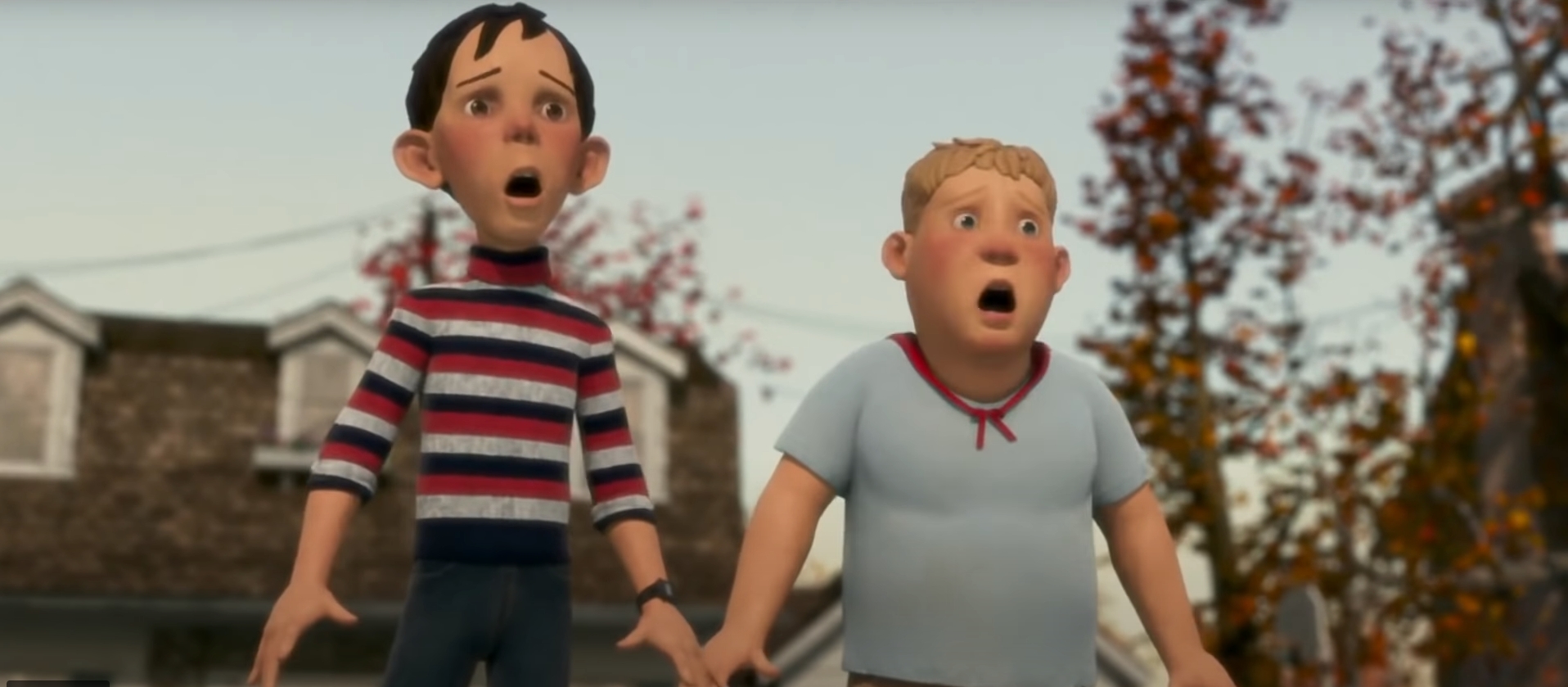
Steven Spielberg and Robert Zemeckis brought their animation magic to this film, using the same technology seen in The Polar Express.
Actors including Steve Buscemi, Nick Cannon, Maggie Gyllenhaal and others performed via motion capture. They had to wear special suits and attach reference markers to their faces, which sounds wild.
Get this — they performed inside a cramped 20'×20' space called a volume. The whole process demanded plenty of imagination, but it paid off. Monster House is a thrilling animated movie, especially stunning in IMAX 3D.
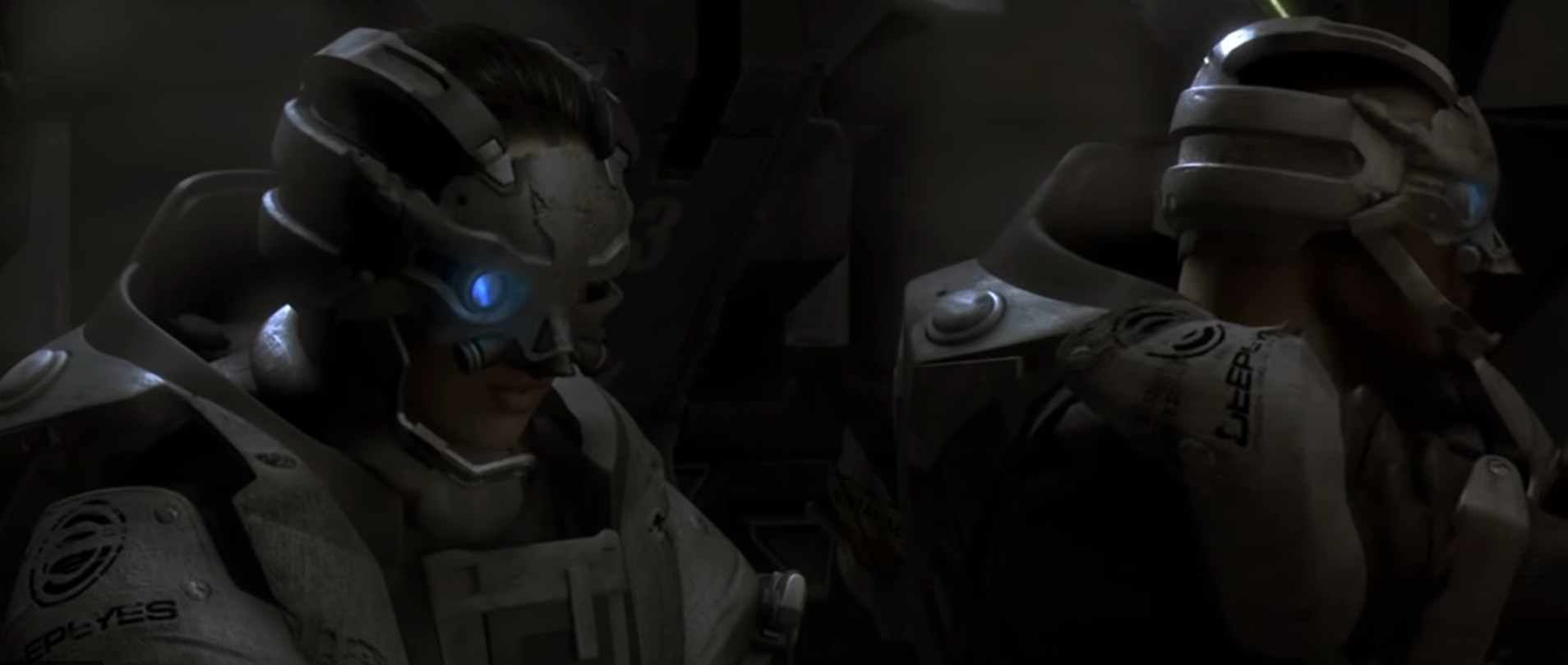
This film deployed technology to capture character movements, which worked very well for most scenes. Even so, animators still needed to manually add certain motions, especially hand and facial gestures.
The attention to detail is impressive. General Hein’s facial features and posture were even modelled after one of the animators. Matte paintings instead of real photographs were used to build the backgrounds.
The movie required up to 1,327 shots to animate its digital characters, with roughly 90 minutes of rendering time per frame. What devotion! The end result is a visually breathtaking film backed by massive artistic work.
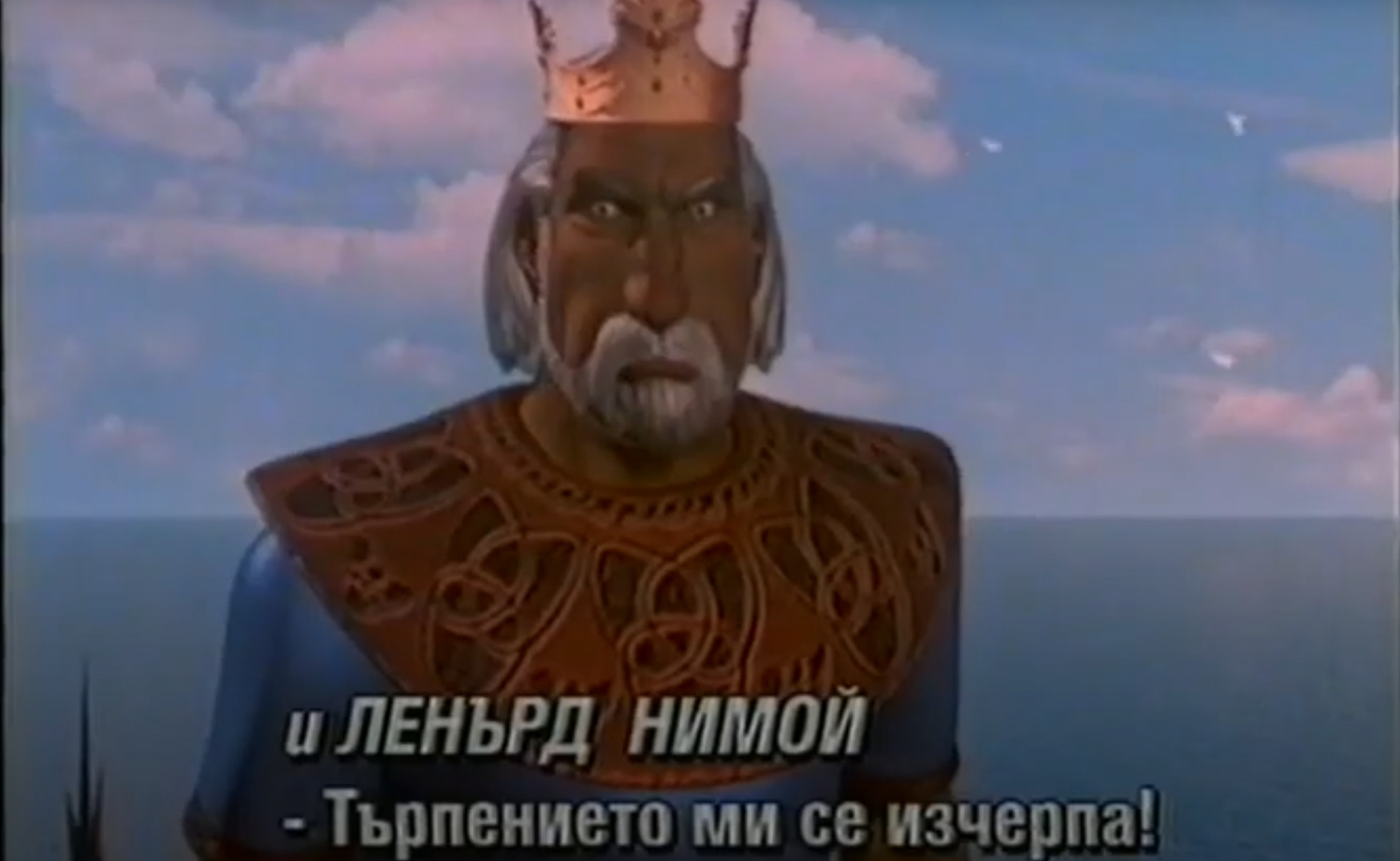
A true pioneer, this is the first feature-length film ever made using motion capture. It brought this technology to the big screen in a definitive way and pushed the boundaries of animation.
The challenges were enormous, ranging from designing elaborate sets to match the animated world, to casting actors whose height and body type resembled those of the characters.
Despite all hurdles, motion capture proved beneficial. It allowed the film to be finished faster and at only a fraction of the cost of traditional animation. With a global team of animators working around the clock, Sinbad aimed to make waves in the animation industry.
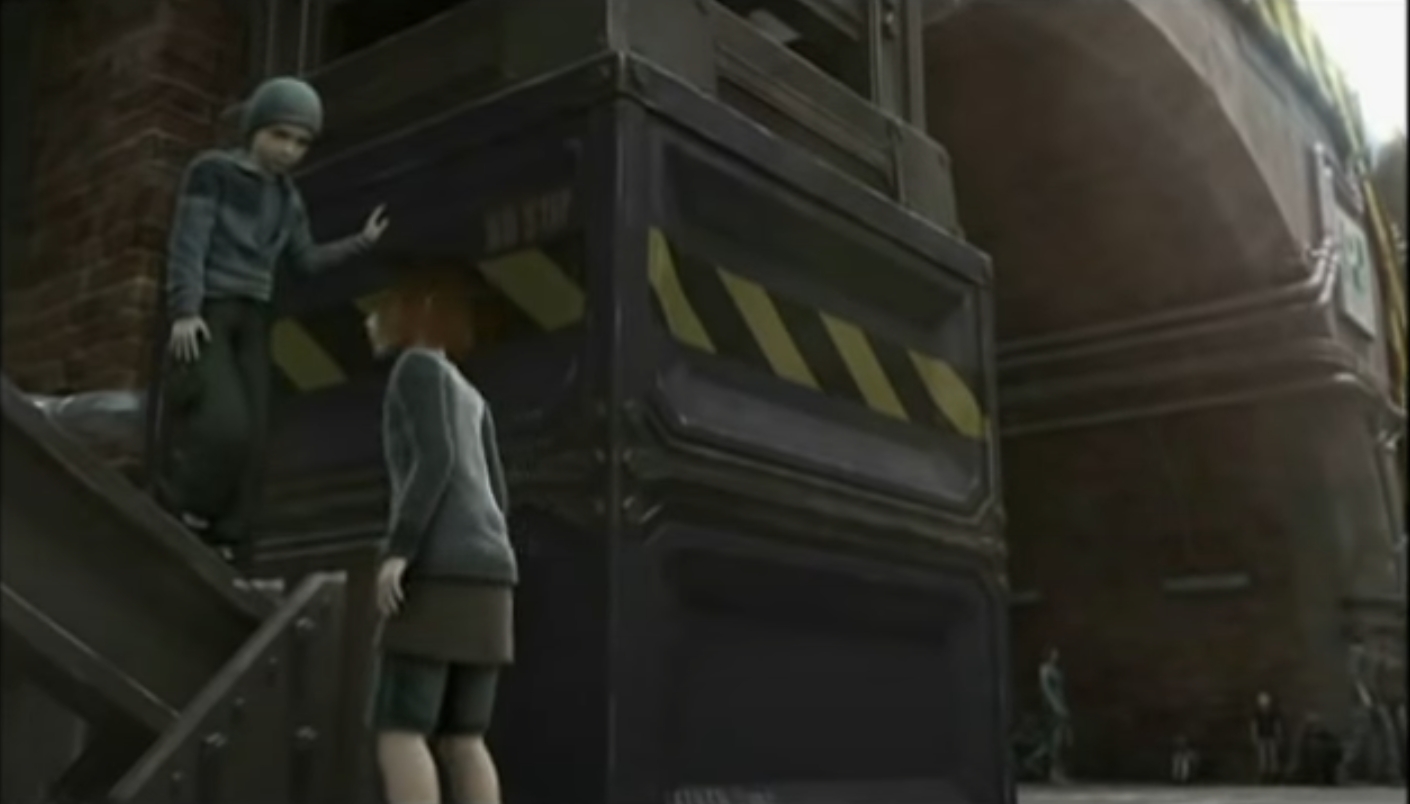
The motion capture work in Final Fantasy VII: Advent Children is outstanding! Visual Works, famous for CGI work on Square’s video games, created this short film based on Final Fantasy VII.
They brought on the game’s writer Kazushige Nojima to expand the story into a 20-minute script centred around Cloud, Tifa and the children. Motion capture was used in the film’s battle sequences, bringing to life movements impossible for live actors to perform.
Director Tetsuya Nomura knew how to harness the power of motion capture to create breathtaking dynamic action sequences.
There you have it — my list of the top 9 animated motion capture films for you to explore! From stunning visuals to compelling performances, these films showcase the incredible fusion of animation and motion capture technology.





+86-21-56472866 / 13310099680
1190 Nong METACINE (South Gate), Building 1, CHINGMU, Zhengtai Road,Baoshan District, Shanghai

Hot searches: Motion capture, Optical motion capture, Motion capture system robot, Motion capture, Bionic robot, Motion control, Gait analysis, Rehabilitation training action assessment, Animation production, Virtual idol live streaming, Expression capture, Virtual production, Pre-visualization, Performance capture