
2023/12/29
Motion capture has long been a revolutionary new technology in Hollywood. Below are some of the best performances delivered using this digital technique.
Over the past few decades, one of the biggest technological advances in filmmaking has been motion-capture performance. Pioneered by George Lucas in The Phantom Menace and Peter Jackson in The Lord of the Rings films, this process captures the physical mannerisms of an actor’s performance and translates them into a digital framework, allowing fully CGI characters to be layered over the on-set actor. It enables performers to embody their characters more authentically; instead of acting through layers of makeup and prosthetics, the subtle nuances of their performance are preserved and transferred directly onto a digital model. Though it took some time for the technology to truly gain traction and become commonplace, motion-capture characters now appear regularly in major Hollywood films.
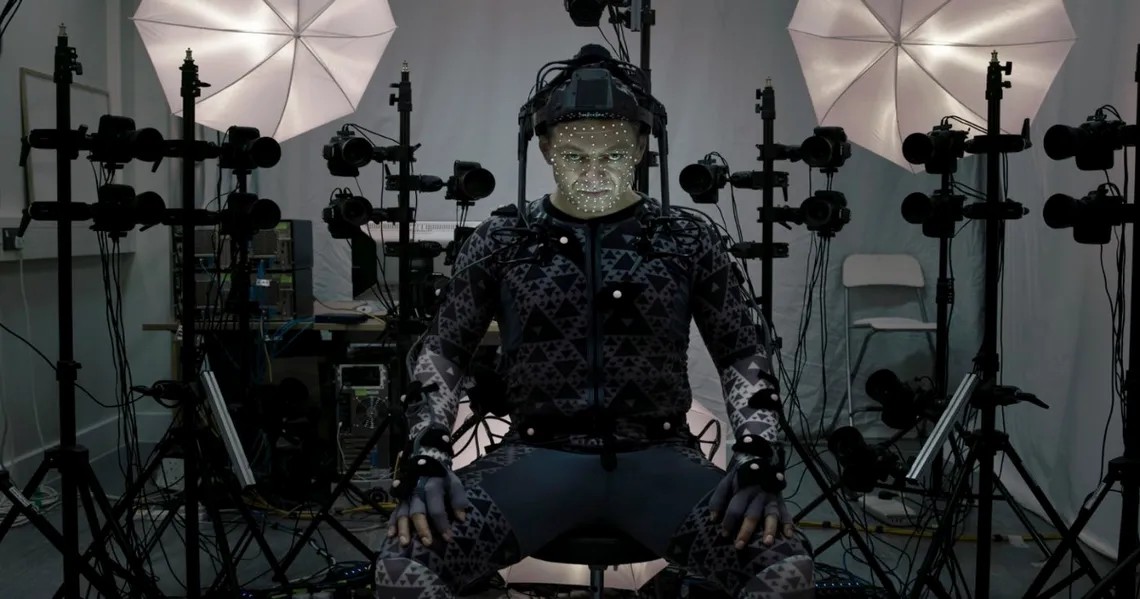
As technology has advanced to its current level, a wealth of motion-capture performances have made their way to the silver screen over the years. Whether actors are portraying aliens, robots, apes, or any other form of creature, there are some truly outstanding performances brought to life through motion capture. Here are some of the best:
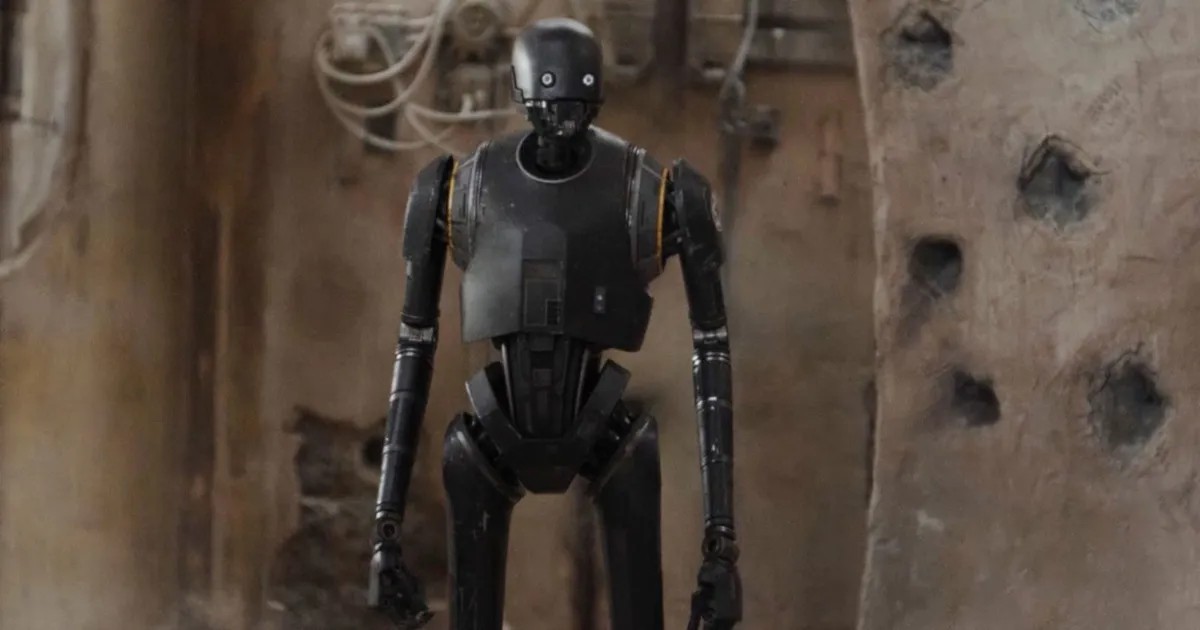
Given that the first fully CGI character created with motion capture came from Star Wars, it is only fitting that a performance from that faraway galaxy makes this list. The technology has undoubtedly come a long way since Ahmed Best portrayed Jar Jar Binks. As for Alan Tudyk, he played the robot K-2SO in the 2016 film Rogue One: A Star Wars Story. Tudyk’s performance in this role marked the first time one of the central droids in the franchise was not simply a person inside a robot costume. This started a trend followed by Phoebe Waller-Bridge as L3-37 in Solo: A Star Wars Story and Taika Waititi as IG-11 in The Mandalorian.
Tudyk is known for playing a wide range of quirky characters, from Wash in the television series Firefly to Heihei the rooster in Disney’s Moana, yet his turn as K-2SO in Rogue One may be the finest work of his career. For a literal robot character, Tudyk brought so much organic personality and charm to the former Imperial droid. Rogue One ranks among the darkest Star Wars films, and K-2SO plays a vital role in delivering much of the movie’s comic relief. Tudyk masterfully conveys the character’s extremely dry (and often unintentional) sense of humor. He is arguably the best droid in Star Wars, and we would see Tudyk reprise this role again in the upcoming Disney+ series Andor.
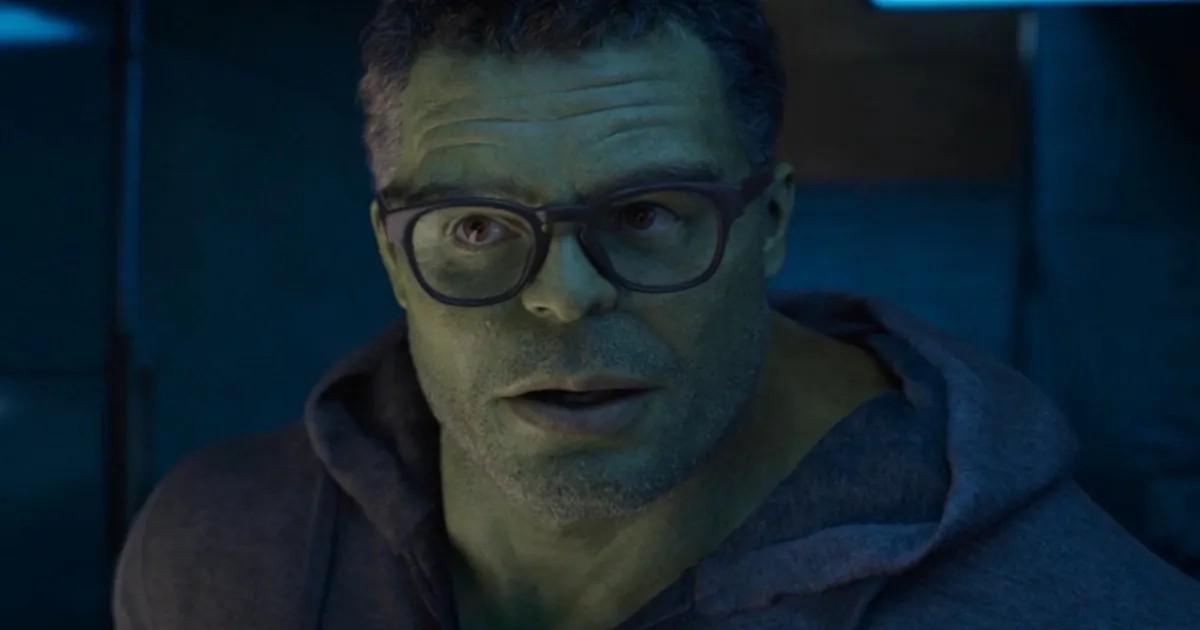
The Marvel Cinematic Universe is a franchise that has wholeheartedly embraced motion-capture technology. While the technique is frequently used for superhero suits worn by heroes such as Spider-Man or Iron Man, it also underpins Mark Ruffalo’s performance as the Incredible Hulk. At this point, Ruffalo has likely spent more time in a motion-capture suit than most actors. He has portrayed the Hulk via motion capture across six different titles (The Avengers, Age of Ultron, Thor: Ragnarok, Infinity War, Endgame, and She-Hulk), and there appears to be no sign he will hang up that odd grey spandex suit anytime soon.
Throughout Ruffalo’s tenure, the Hulk undergoes considerable character development, which earns him a spot on this list. Ruffalo had to portray the character in many different forms: from a mindlessly enraged monster, to a semi-intelligent gladiator, and most recently, the smart Hulk. Ruffalo demonstrates genuine dedication to the craft of motion capture, and his later appearances as Smart Hulk truly let his performance shine through the character’s green digital skin. His performances keep getting better, so it would be a disservice not to include him somewhere on this list.
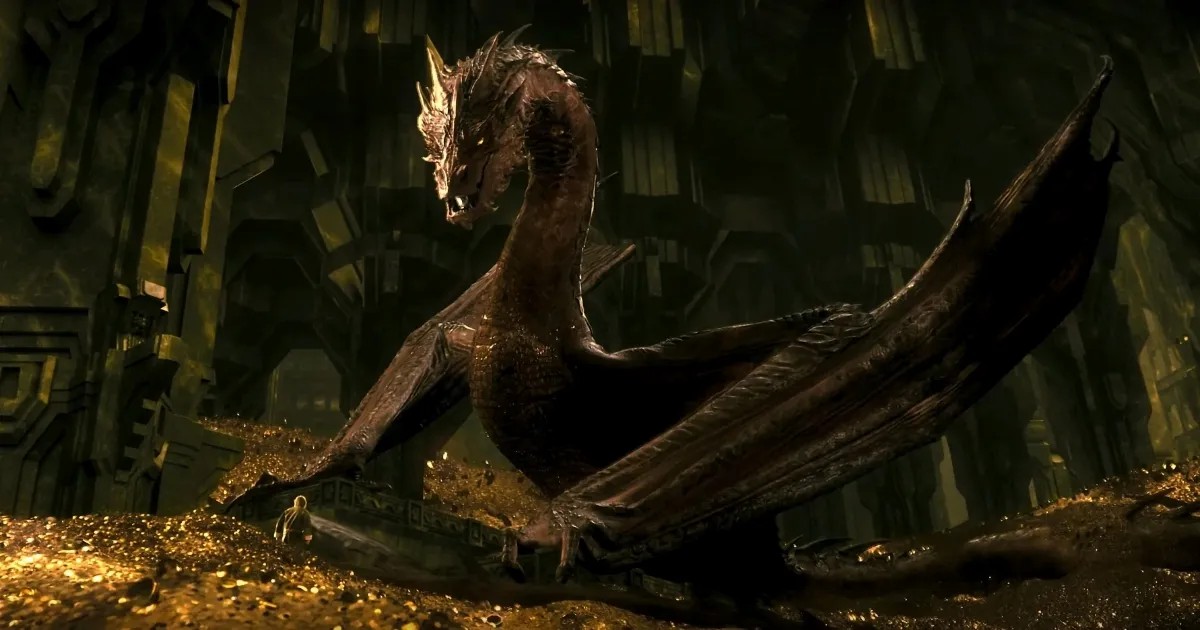
Alright, this is the only entry on the list where the portrayed character is not bipedal. Since the character walks on four legs, it initially seemed like an odd choice to make Smaug a motion-capture character in The Hobbit: The Desolation of Smaug. Nevertheless, the decision paid off tremendously, as Benedict Cumberbatch’s performance in the role stands among the finest elements of the entire film trilogy. Additionally, behind-the-scenes footage of Cumberbatch crawling around pretending to be a dragon is somewhat amusing.
Truly, credit goes to Cumberbatch for fully committing to the role. Smaug is one of the most iconic dragons in all of fiction, and Cumberbatch’s performance in this role is certainly worthy of that legacy. He uses powerful, deep vocal shifts to deliver the character’s lines, exactly what Tolkien’s massive fire-breathing dragon demands. He embodies the character perfectly, and seeing Smaug on the big screen was one of the major cinematic events of 2013. It is truly remarkable work.
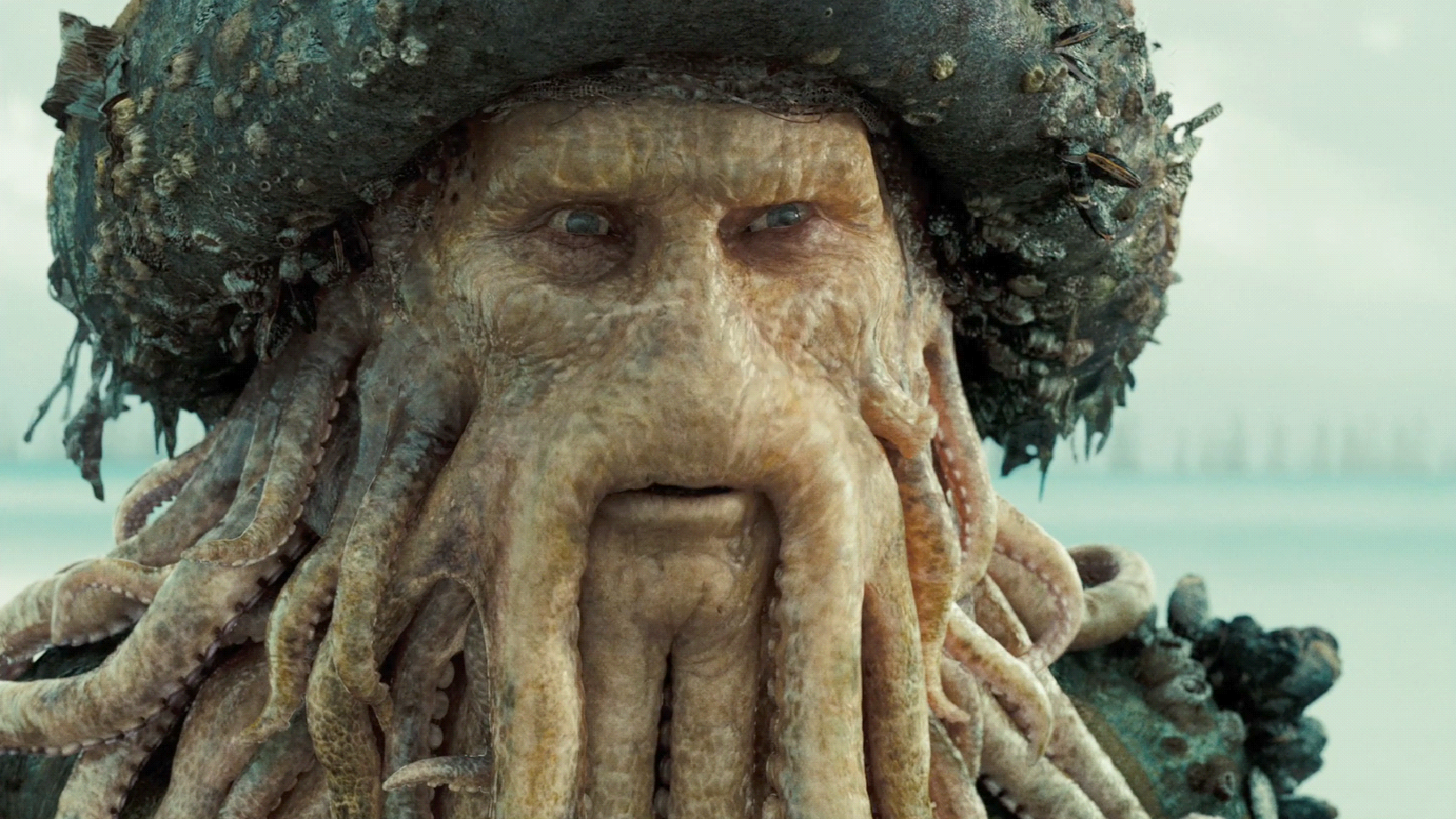
Jones While the second and third Pirates of the Caribbean films do not enjoy the best reputation, that is no fault of Bill Nighy. Nighy’s villain Davy Jones, captain of the Flying Dutchman, is a genuinely outstanding antagonist within the Pirates franchise. What makes this character even more impressive is that these films were made at a time when motion-capture technology was still in its infancy. When Dead Man’s Chest premiered in 2006 and At World’s End in 2007, motion capture remained an emerging, difficult-to-use technology.
Even so, Nighy’s Davy Jones remains one of the greatest motion-capture characters ever created, not only for his menacing presence but also for the high quality of the digital effects. Considering these two Pirates sequels are now over 15 years old, the effects for Davy Jones still hold up remarkably well. Nighy’s performance brings the necessary intensity to the character while retaining the subtlety required for Jones and his surprisingly emotional tentacle beard.
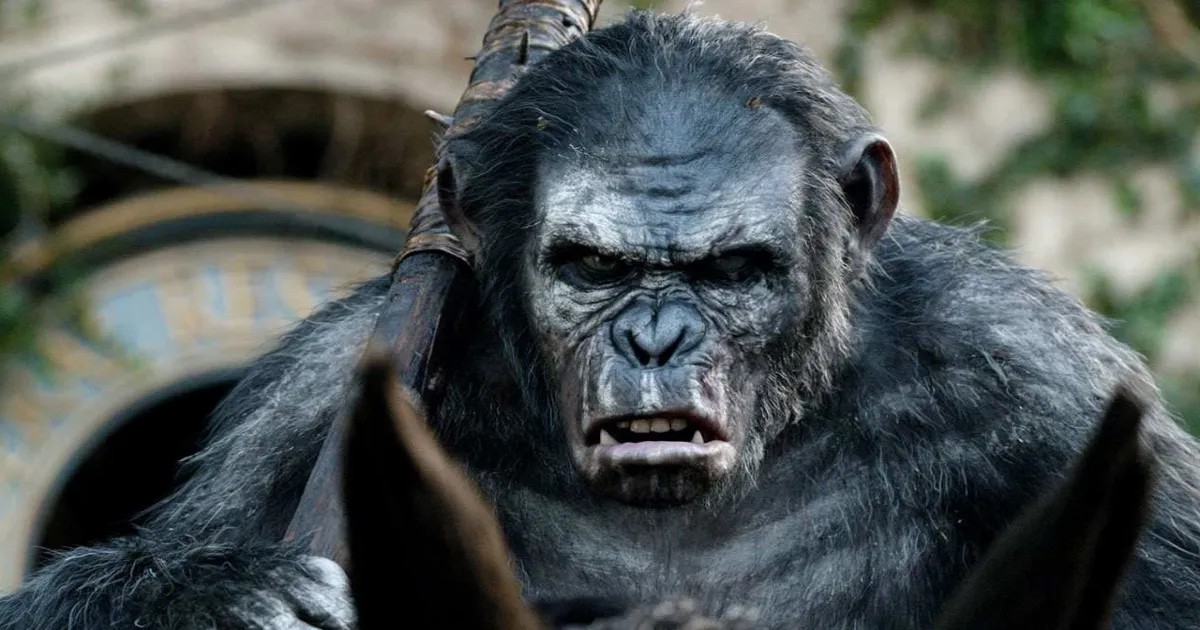
The new Planet of the Apes trilogy is arguably the pinnacle of what motion capture can achieve today. Though the character Koba first appeared in the opening film Rise of the Planet of the Apes, played by Christopher Gordon, the figure truly became a key narrative linchpin in the second entry, Dawn of the Planet of the Apes. In Dawn, Toby Kebbell took over performance duties for Koba, and his performance is absolutely stunning, able to stand shoulder to shoulder with Andy Serkis as Caesar.
Koba serves as the central antagonist in Dawn, and as such, the character receives ample screen time. Much of the film’s social and political commentary stems from the duality between Koba and Caesar, and Kebbell tackles all of this material head-on. Koba is an aggressive, bitter being, yet he also displays fierce loyalty and pride in being part of Caesar’s tribe. Kebbell effortlessly portrays Koba’s complex emotions — a tall order for any actor, and nearly overwhelming for someone wearing a motion-capture suit. Large portions of Dawn hinge on Koba, and Kebbell delivers a nuanced, grounded performance that convinces audiences why the character believes in his cause and how he feels when Caesar disagrees. Dawn of the Planet of the Apes is an incredible film, but Kebbell’s performance elevates it to an entirely new level.
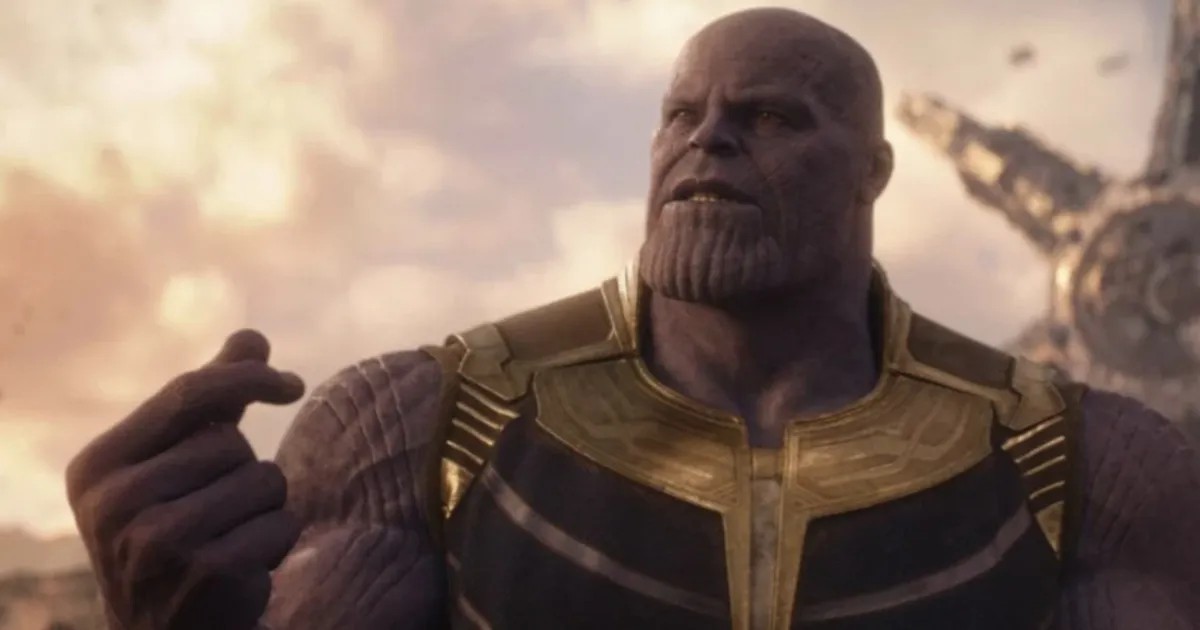
This is another example of the Marvel Cinematic Universe adopting motion capture for its central protagonist. Thanos ranks among the most important characters throughout the entire Infinity Saga. Capturing the intensity and nuance required for this role would be a massive undertaking for any actor, let alone performing all of it inside a motion-capture suit. Josh Brolin took on the challenge, and the result is both one of the MCU’s best villains and one of its finest performances.
Josh Brolin first portrayed Thanos in 2014’s Guardians of the Galaxy, followed by a brief post-credits appearance in 2015’s Age of Ultron, yet Brolin’s finest work undoubtedly comes in Infinity War and Endgame. Thanos is essentially the lead character of Infinity War. He is a mature, complex figure with logic and wit behind his horrific choices. Brolin portrays all of this with an almost smug grandeur. Brolin fully embodies the character. His personality and acting shine through the digital veneer, convincing viewers that this towering purple being could truly exist. He feels like a real person, almost entirely thanks to Brolin’s performance.
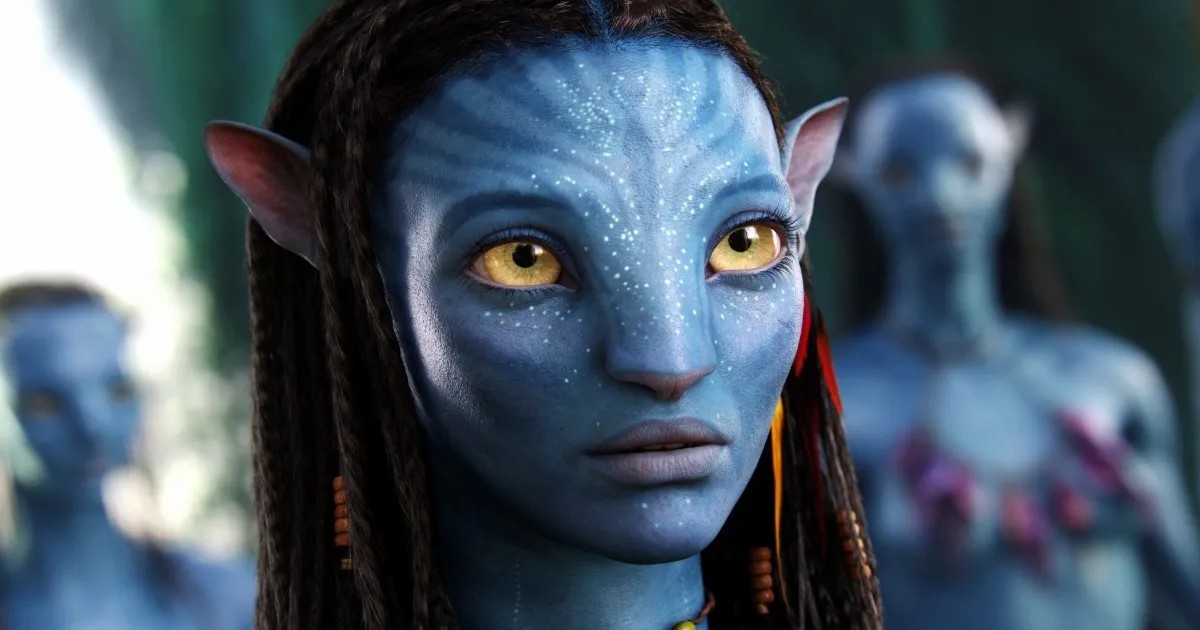
Few films have become such a cultural phenomenon as Avatar. It is the highest-grossing movie of all time and single-handedly sparked the 3D cinema boom that dominated the 2010s. James Cameron’s sci-fi epic is another production that relies entirely on motion-capture characters, as many Na’vi figures are performed by actors in motion-capture suits. Avatar is a technical masterpiece, largely thanks to its motion-capture work. Among all the brilliant performances in the film, Zoe Saldaña as Neytiri truly stands out.
While Sam Worthington’s Jake Sully is the movie’s lead protagonist, the heart and soul of Avatar lie entirely with Neytiri. Even though she is a fully digital character, Saldaña’s performance in this role is so powerful that you could be forgiven for thinking she was an actor wearing prosthetics and makeup. The character Neytiri carries intensity and a wide emotional range, and the whole film rests upon her. If Neytiri failed as a character, much of Avatar’s story would fall apart. Saldaña rises fully to the challenge, consistently knocking every scene out of the park. This is not merely an incredible motion-capture performance; it deserves to be counted among the greatest performances of all time. Saldaña reprised the role in the sequel Avatar: The Way of Water, where she further cemented the character’s legacy.
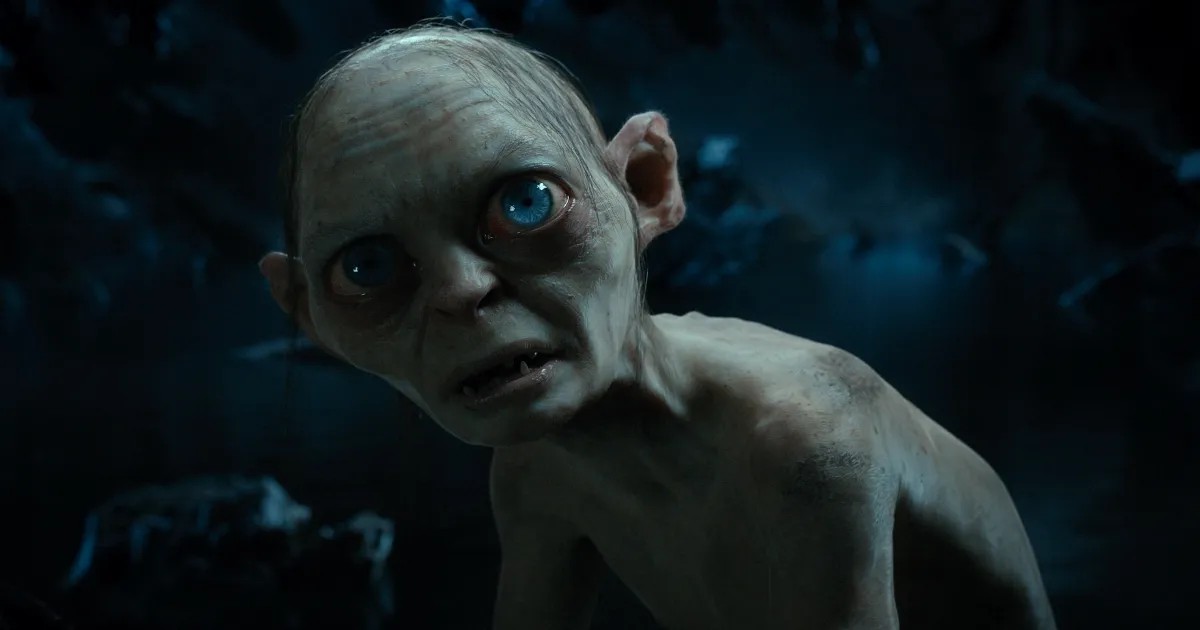
It was Andy Serkis’s portrayal of Gollum in Peter Jackson’s The Lord of the Rings films that truly brought the concept of motion capture to life in Hollywood. Not only were the effects for Gollum incredible, especially for that era, but Andy Serkis’s performance in this role was definitive. He embodied the character so completely and translated this twisted, divided creature from the books so perfectly that the film version of Gollum has become the only iteration that feels authentic.
Serkis’s performance as Gollum ranks among the finest acting achievements of the 21st century. The character could easily have been nothing more than a weird little creature with a strange voice, but Serkis truly brought a sense of personality to the role. Gollum is a character that could have failed badly on screen; yet Serkis fully committed and delivered an iconic performance for the ages. Within a trilogy packed with stellar performances from legends such as Ian McKellen, Cate Blanchett, Viggo Mortensen and Christopher Lee, Serkis’s Gollum still stands among the trilogy’s greatest highlights.
At the time, motion-capture technology received much praise and attention for bringing Gollum to life, yet without Serkis, the technology would likely have been overlooked, much like Ahmed Best’s Jar Jar Binks. Serkis’s performance was unlike anything previously seen on screen, and it truly transformed the industry.
There is a reason Andy Serkis is regarded as the king of motion capture. While Toby Kebbell’s performance as Koba in Dawn of the Planet of the Apes carried crucial emotional weight for that film, Andy Serkis’s turn as Caesar laid the foundation for the entire new Planet of the Apes trilogy. After work on titles such as The Lord of the Rings and King Kong, Serkis was already a motion-capture veteran by this point, yet his performance as Caesar was game-changing. It marked the first time a motion-capture character was not just a major player in a film, but the lead protagonist upon which an entire franchise rested.
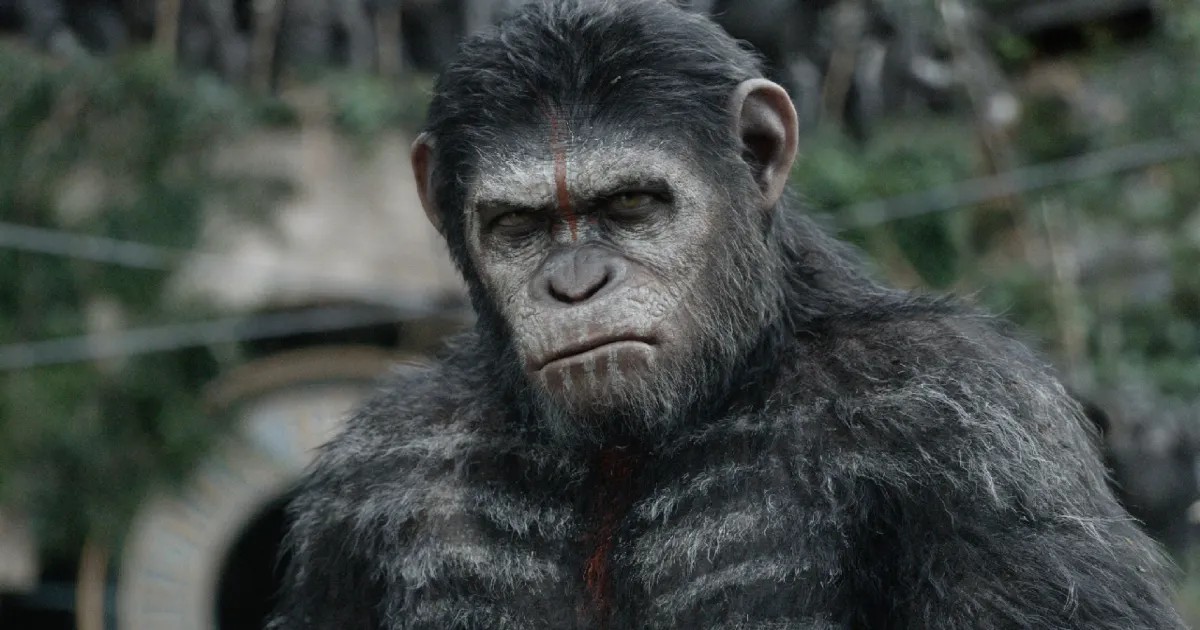
Serkis delivers stunning work across all three films of the new Apes trilogy, and his finest work may be found in the final chapter, War for the Planet of the Apes. Still, when viewed together across all three films, you truly appreciate the extraordinary scope of his performance. He evolves from a young, naive, sheltered ape in Rise, into a respected, wise family and community leader in Dawn, and finally into a seasoned military commander and ultimate legend by the end of War. Across these three films, Serkis holds fast to Caesar’s core while gradually developing him step by step. The shifts between these phases of the character are subtle and unfold almost imperceptibly to audiences.
Serkis earned Academy Award Best Actor consideration for Dawn and War in their respective release years. He was ultimately never nominated for the role of Caesar, and that remains an injustice to this day. Caesar is one of the most compelling characters in 21st-century franchise filmmaking, driven in large part by Serkis’s brilliant performance. It represents the pinnacle of his career and one of the greatest motion-capture performances ever captured on film.





+86-21-56472866 / 13310099680
1190 Nong METACINE (South Gate), Building 1, CHINGMU, Zhengtai Road,Baoshan District, Shanghai

Hot searches: Motion capture, Optical motion capture, Motion capture system robot, Motion capture, Bionic robot, Motion control, Gait analysis, Rehabilitation training action assessment, Animation production, Virtual idol live streaming, Expression capture, Virtual production, Pre-visualization, Performance capture