
2023/12/05
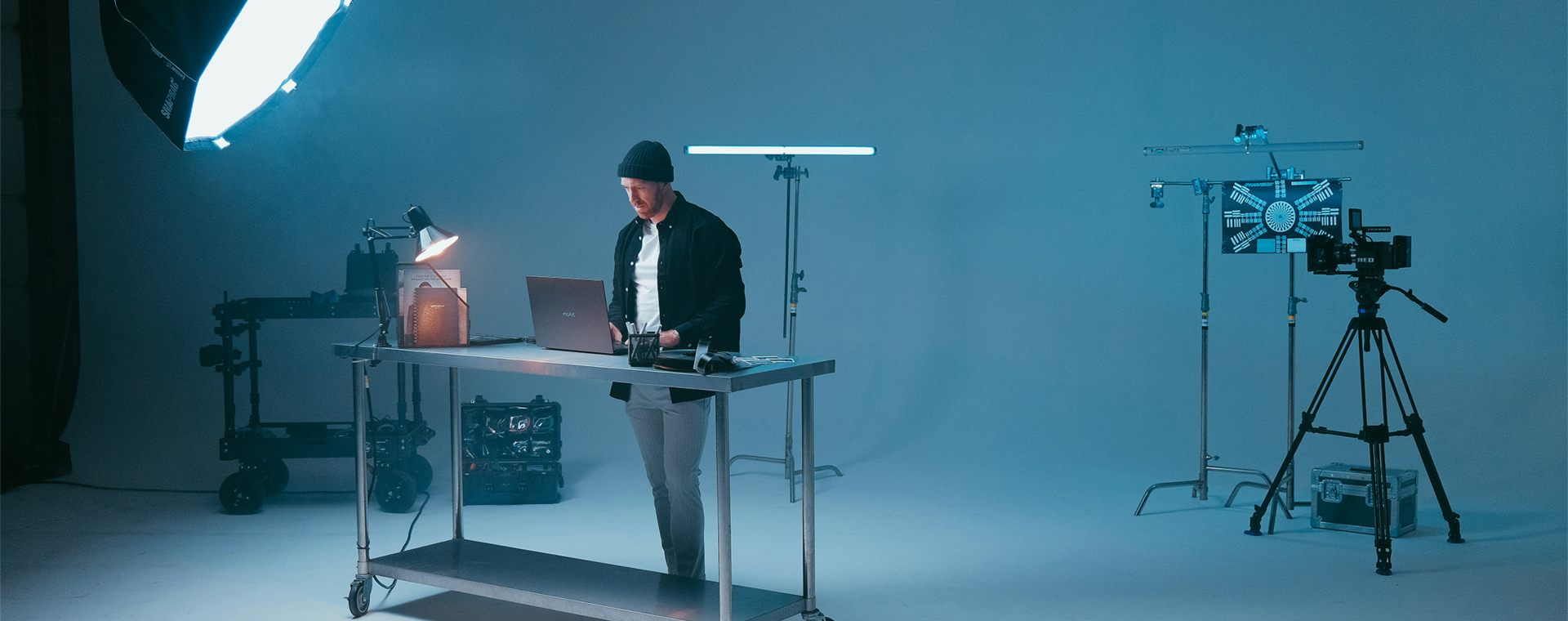
Once largely associated with the entertainment industry, motion capture technology has found innovative new applications in the medical field. This cutting-edge technology is revolutionizing rehabilitation and treatment, equipping healthcare professionals with a powerful tool to assess, diagnose and treat a wide range of conditions. By capturing and analyzing patient movements in real time, motion capture enables medical practitioners to develop more effective, personalized treatment plans and ultimately improve patient outcomes.
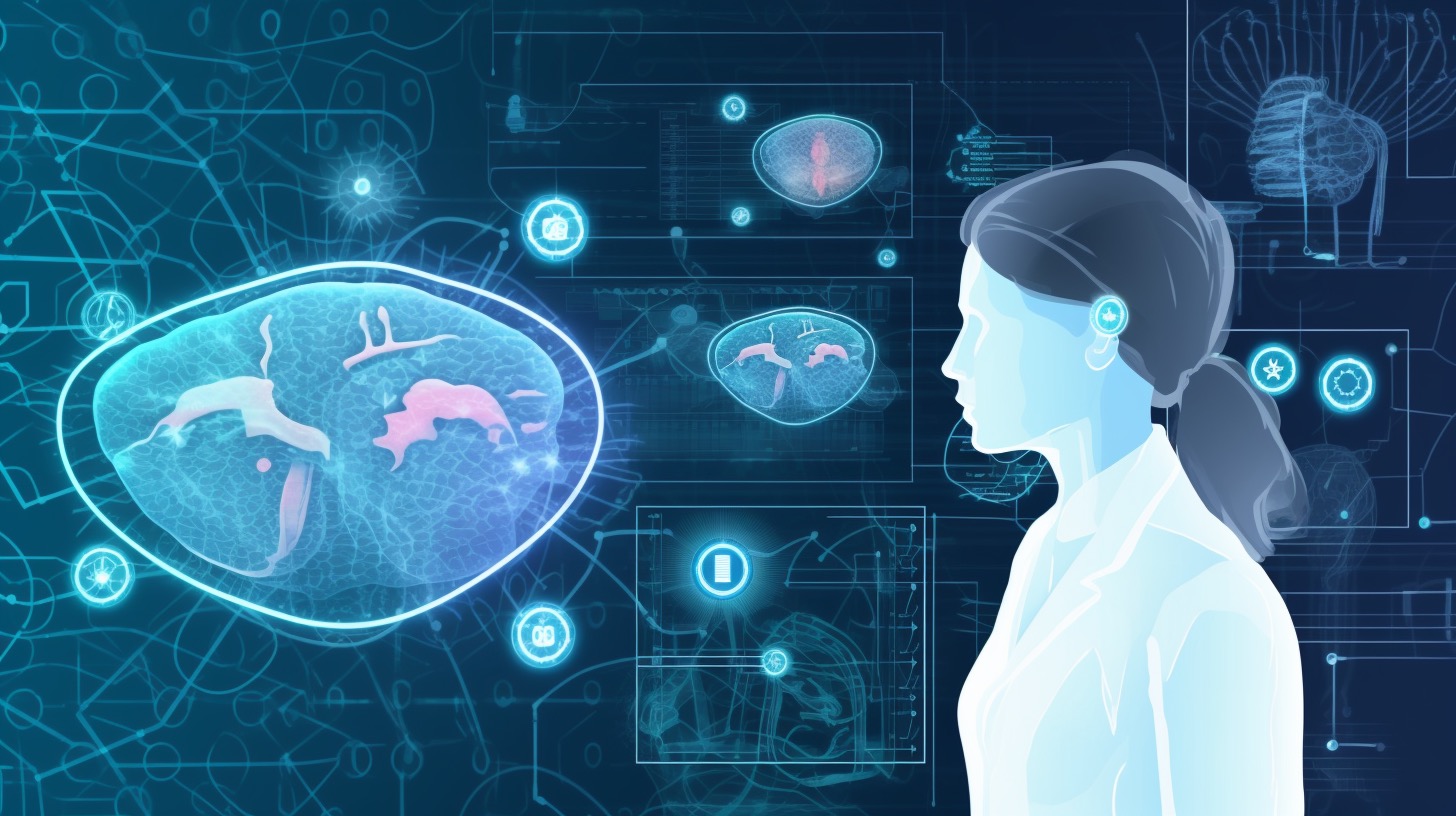
One major advantage of medical motion capture is its ability to deliver objective, quantifiable data on patient movement. Traditional movement assessment methods such as visual observation or goniometry can be subjective and prone to error. Motion capture, by contrast, uses cameras and sensors to track the movement of reflective markers placed on the patient’s body, generating precise data on joint angles, velocity and acceleration. This information can then be used to build detailed biomechanical models of patients, offering valuable insights into their movement patterns and potential areas of dysfunction.
This level of detail is especially valuable in rehabilitation, where understanding the subtleties of a patient’s movement is critical for designing effective treatment plans. For instance, motion capture can evaluate gait in patients recovering from stroke or spinal cord injury, identifying abnormalities or compensatory patterns that may hinder their progress. By addressing these issues with targeted interventions such as physical therapy or assistive devices, healthcare providers can help patients regain mobility and independence faster and more efficiently.
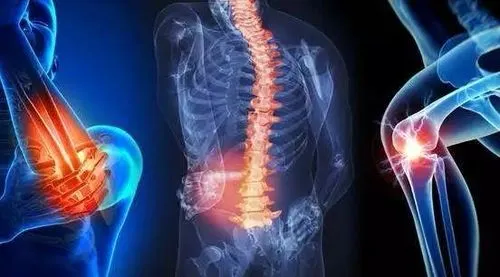
Beyond rehabilitation, motion capture has proven to be a valuable tool for diagnosing and treating a variety of musculoskeletal disorders. Researchers use motion capture to study biomechanics in patients living with osteoarthritis, Parkinson’s disease, cerebral palsy and other conditions. It helps uncover the root causes of their movement disorders and informs the development of targeted therapies. In sports medicine, motion capture analyzes athletes’ movements to spot biomechanical inefficiencies or imbalances that may raise injury risks or degrade performance.
One of the most exciting developments in medical motion capture is its integration with virtual reality (VR) and augmented reality (AR) systems. Combining motion capture data with immersive interactive environments allows healthcare professionals to create highly engaging and effective treatment regimens that motivate patients to stick to their therapy programs. For example, stroke survivors may be tasked with completing a series of reaching and grasping tasks within a virtual environment, while the motion capture system delivers real-time feedback on their performance and progress. This gamified approach to therapy has been shown to boost patient engagement and adherence, leading to better overall results.
As motion capture technology continues to advance, its medical applications are likely to expand further. Researchers are already exploring machine learning algorithms to analyze motion capture data, with the potential to identify subtle movement patterns indicative of specific conditions or injuries. This may enable earlier diagnosis and more targeted interventions to further elevate patient care.
In summary, the integration of motion capture into rehabilitation and therapy is transforming how healthcare professionals assess, diagnose and treat numerous medical conditions. By providing objective, quantifiable data on patient movement, motion capture supports the creation of more effective and individualized treatment plans, delivering improved patient outcomes. As the technology evolves, its impact on medicine will only grow, making it an exciting field to watch in the coming years。





+86-21-56472866 / 13310099680
1190 Nong METACINE (South Gate), Building 1, CHINGMU, Zhengtai Road,Baoshan District, Shanghai

Hot searches: Motion capture, Optical motion capture, Motion capture system robot, Motion capture, Bionic robot, Motion control, Gait analysis, Rehabilitation training action assessment, Animation production, Virtual idol live streaming, Expression capture, Virtual production, Pre-visualization, Performance capture