
2023/02/27
By Jordan Acosta, MS
Jordan Acosta, MS

Brett Fling, PhD, MS
Regular aerobic and resistance training has been proven to boost cardiorespiratory fitness, increase muscle strength and endurance, reduce fatigue, improve mood, and enhance the ability to perform daily tasks. Accordingly, a substantial body of research in multiple sclerosis (MS) aims to understand how exercise affects overall brain health and disease progression. In 2020, the National Multiple Sclerosis Society released exercise guideline recommendations using the Expanded Disability Status Scale and addressed barriers to exercise participation among people with MS. Despite these recommendations and documented benefits, individuals living with MS are less likely to engage in physical activity than people without the disease. Our research group is therefore investigating ways to improve mobility in people with MS while identifying the underlying neural mechanisms responsible for the low levels of physical activity observed in this patient population.
Impaired walking ability is common among people with multiple sclerosis, with more than 50% requiring mobility aids within 18 years of diagnosis. Most people with MS report marked asymmetry in strength and function between the two legs, leading to impaired gait coordination. Prior studies of patients with Parkinson’s disease or stroke survivors have highlighted associations between this motor impairment, increased metabolic cost, postural instability, falls, and reduced quality of life. However, these limitations and their impacts have only recently begun to be fully quantified in people with MS.
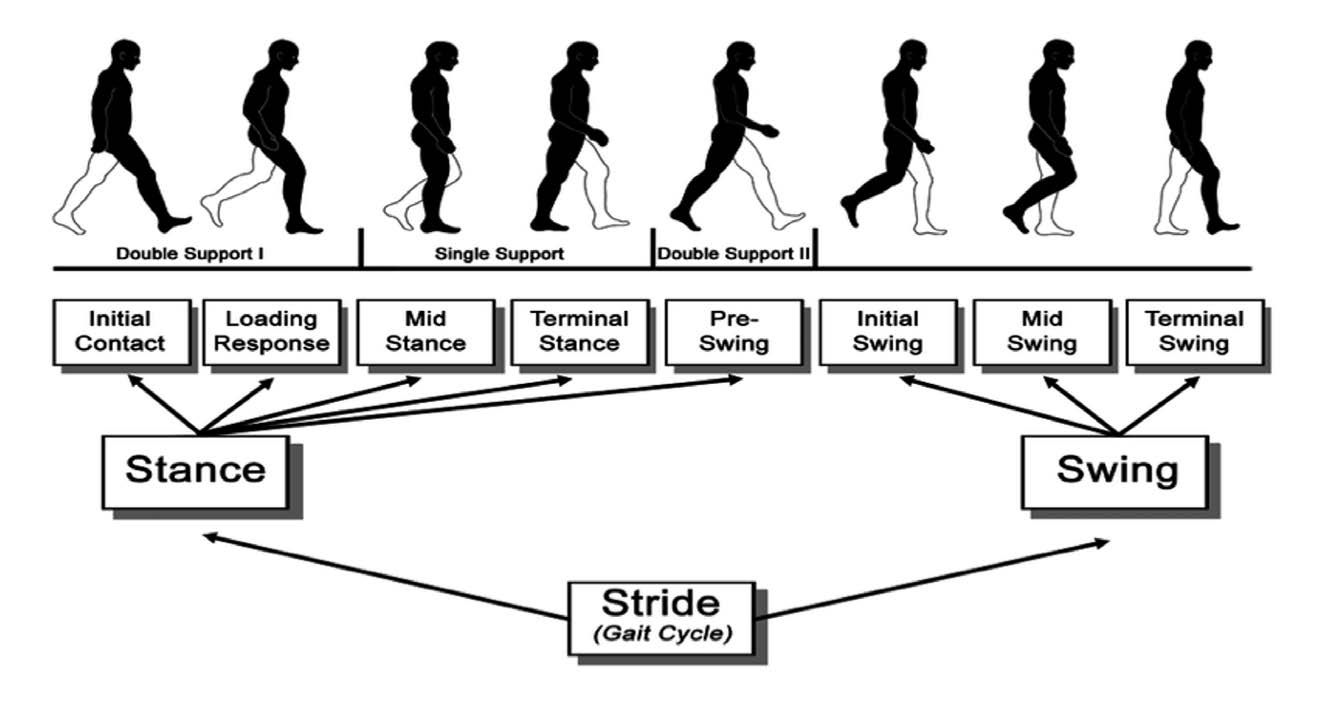
Due to the individualized nature of the disease, multiple sclerosis presents with a spectrum and varied patterns of mobility limitation. Nevertheless, ample evidence shows that compared with unaffected individuals, people with MS typically walk more slowly, take shorter strides, and exhibit longer double support periods. This may serve as a compensation for deficits in balance and postural control. A 2021 systematic review by Coca-Tapia et al. analysed several prior studies using three-dimensional motion capture to improve understanding of the biomechanics underlying abnormal gait in MS. The results indicated that “reduced velocity and stride length, and increased double-stance intervals during gait are present in patients with MS. Likewise, reduced hip extension during stance, decreased knee flexion during swing, decreased ankle dorsiflexion at initial contact, and reduced ankle plantar flexion during the [propulsive] phase are commonly observed.”
These gait abnormalities contribute to balance difficulties, joint discomfort, fatigue and pain. We must therefore recognise these mobility limitations as potential barriers to physical activity and exercise for people with MS (Figure 1).
A deeper understanding of the underlying neurophysiological changes accompanying MS may enable effective strategies targeting known mobility and gait impairments in patients. A growing body of research investigates potential neural mechanisms linked to movement asymmetry in individuals with MS. Although the exact pathophysiology remains unclear due to the disease’s unique, individualized pathology, recent findings suggest that alterations and lesions within corpus callosum structure may contribute to reduced coordination (Figure 2). The corpus callosum is the largest white matter tract in the human nervous system, composed of white matter bundles connecting the left and right cerebral hemispheres. Interhemispheric communication via the corpus callosum plays a critical role in generating global motor behaviours to produce appropriate, coordinated motor responses on both sides of the body.
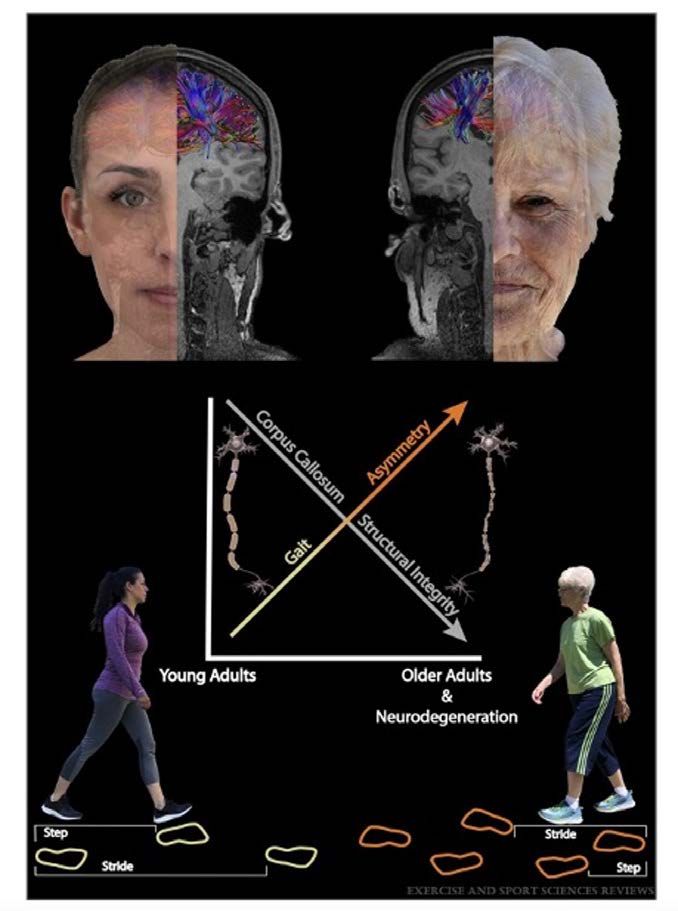
These two cortical regions are heavily connected through the corpus callosum, permitting interhemispheric information transfer. For motor behaviours requiring precise temporal and spatial coordination across both sides of the body, such as walking, movement of one limb exerts global inhibitory effects on the ipsilateral motor cortex. Reduced structural connectivity of the corpus callosum is common in people with MS, even in the absence of lesions within this structure. A small but promising body of literature also shows that, compared with age-matched controls, individuals with MS demonstrate reduced interhemispheric inhibition between primary motor cortices. Furthermore, reductions in corpus callosum structure and inhibitory capacity directly correlate with poorer motor control and greater motor-related disease severity among patients with MS. Ongoing research in this field examines the corpus callosum as an intact neural mechanism for lower-limb control, which may identify corpus callosum degeneration as a key factor driving mobility loss in people with MS.
Understanding the pathways and interconnections between cerebral hemispheres is essential for coordination and for gait and balance disorders in several neurodegenerative diseases. Current investigations of neural mechanisms occurring in individuals with MS provide concrete directions for rehabilitation strategies designed to mitigate gait asymmetry.
In efforts to increase physical activity and exercise participation among more people living with MS, we must prioritise mitigating the unique barriers they face. Specifically, targeting reductions in gait asymmetry may help promote independence and improve quality of life for patients. However, because the underlying neural mechanisms governing coordination are intricate, a multifaceted approach is necessary. Emerging research combines brain imaging and stimulation with treadmill training and mobility metrics. The integration of these research domains enables analysis not only of the biomechanics of existing gait impairments but also of neurophysiology, identifying opportunities for more targeted, specialised rehabilitation.
One emerging mobility tool in use is the split-belt treadmill, in which each belt is independently controlled. Previous studies using treadmill training have yielded promising results for reducing gait asymmetry in patients with stroke or Parkinson’s disease. Only recently has this tool been applied to people with multiple sclerosis. New studies combine split-belt treadmill training with various brain imaging and stimulation techniques to highlight potentially damaged neural pathways, which may subsequently hold the key to accelerating gait rehabilitation. We expect these novel, ongoing studies to yield deeper insights into neural mechanisms and possibilities for therapeutic gait intervention.
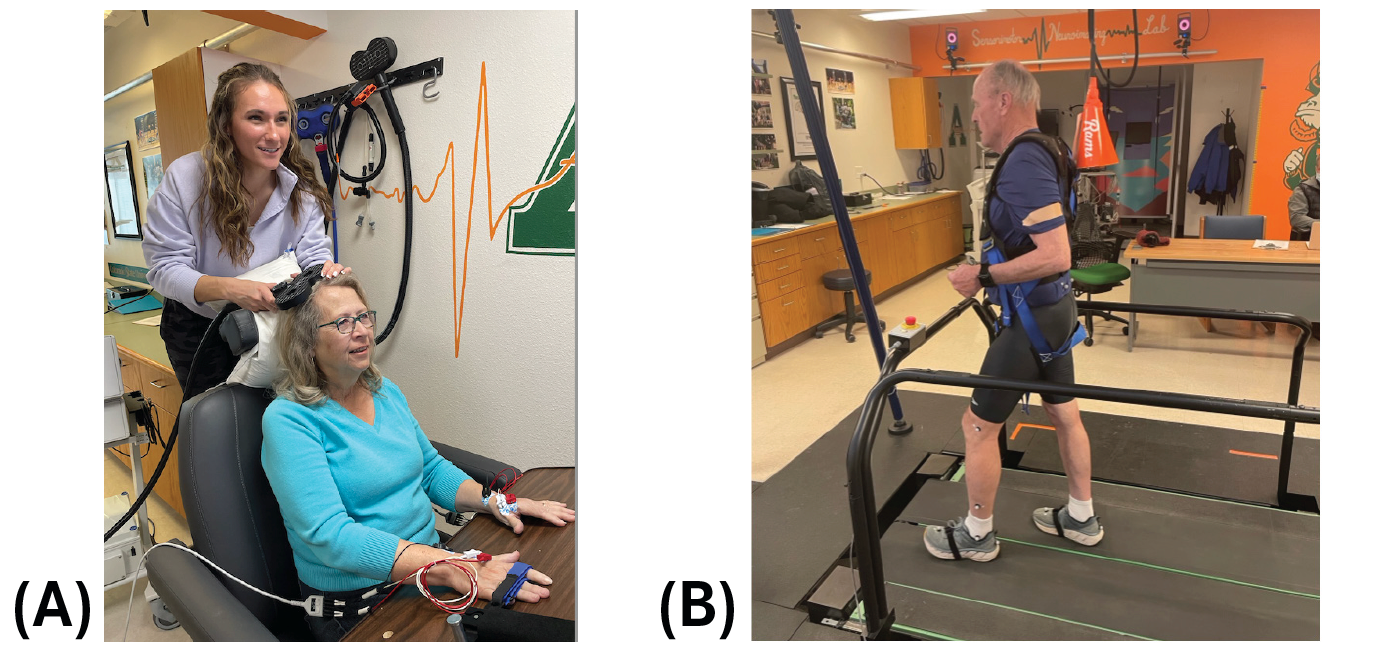
With the potential for impactful new discoveries from paired biomechanical and neurophysiological studies, the outlook for specialised rehabilitation programmes for individuals with MS is promising. Understanding not only gait impairments but also the neural mechanisms behind mobility deficits can shed light on the unique barriers faced by patients with MS. As noted earlier, substantial evidence demonstrates the benefits of exercise and physical activity for people living with neurodegenerative diseases. We must, however, recognise the multiple layers of barriers to inactivity and advance our research to address this issue. By focusing on the prevalent mobility impairments and gait asymmetry in multiple sclerosis, we can begin delivering appropriate rehabilitation interventions for individuals. Further identification of neural pathways required for bilateral motor coordination, plus stimulation approaches that amplify training effects, can deliver more personalised therapeutic benefits for patients. By adopting a multidisciplinary approach to investigate the neural control of movement in people with multiple sclerosis, we can work toward greater exercise participation as barriers to engagement are removed.





+86-21-56472866 / 13310099680
1190 Nong METACINE (South Gate), Building 1, CHINGMU, Zhengtai Road,Baoshan District, Shanghai

Hot searches: Motion capture, Optical motion capture, Motion capture system robot, Motion capture, Bionic robot, Motion control, Gait analysis, Rehabilitation training action assessment, Animation production, Virtual idol live streaming, Expression capture, Virtual production, Pre-visualization, Performance capture