
2022/12/16
Thirteen years later, James Cameron’s space‑opera blockbuster Avatar: The Way of Water hit the big screen as scheduled. In an early interview, Director James Cameron remarked that the character effects in Avatar: The Way of Water are incredibly lifelike, and the motion‑capture and facial‑capture work for the Na’vi far surpasses Marvel’s rendering of Thanos.
If motion‑capture technology made Avatar a success, Avatar in turn popularized motion‑capture, enabling filmmakers and audiences worldwide to understand what motion capture is and what it can bring to film‑making.

The movie was shot through a hybrid workflow combining live‑action shooting, motion capture and CGI, bringing the vibrant world of Pandora to life. It achieves the unique effect that “audiences know it is fictional yet choose to believe it is real”. Avatar: The Way of Water owes its appeal to patient craftsmanship, advanced technology and authentic actor performances.
Pushing cinematic audiovisual experience to new heights with industrial‑grade technology has long been a major pursuit for filmmakers. Motion‑capture has been applied in film production for more than 30 years, evolving from short isolated shots to an indispensable tool for nearly entire feature‑length productions. What accounts for its enduring high practical value? As a veteran motion‑capture enterprise in China, CHINGMU Vision offers the answer.
As one of China’s leading providers of optical motion‑capture technical services, CHINGMU Vision delivers complete motion‑capture workflow solutions for film‑and‑television productions. Its technology has supported CGI shooting for well‑known films such as The Battle at Lake Changjin II: Water Gate Bridge and One and Only. The company also provides motion‑capture services for animation studios, cultural‑media enterprises and higher‑education institutions including Time‑Coordinate, Starlight Film‑TV Park, Virtual Pictures, Wansheng Technology, Original Force Animation and Shanghai Theatre Academy.
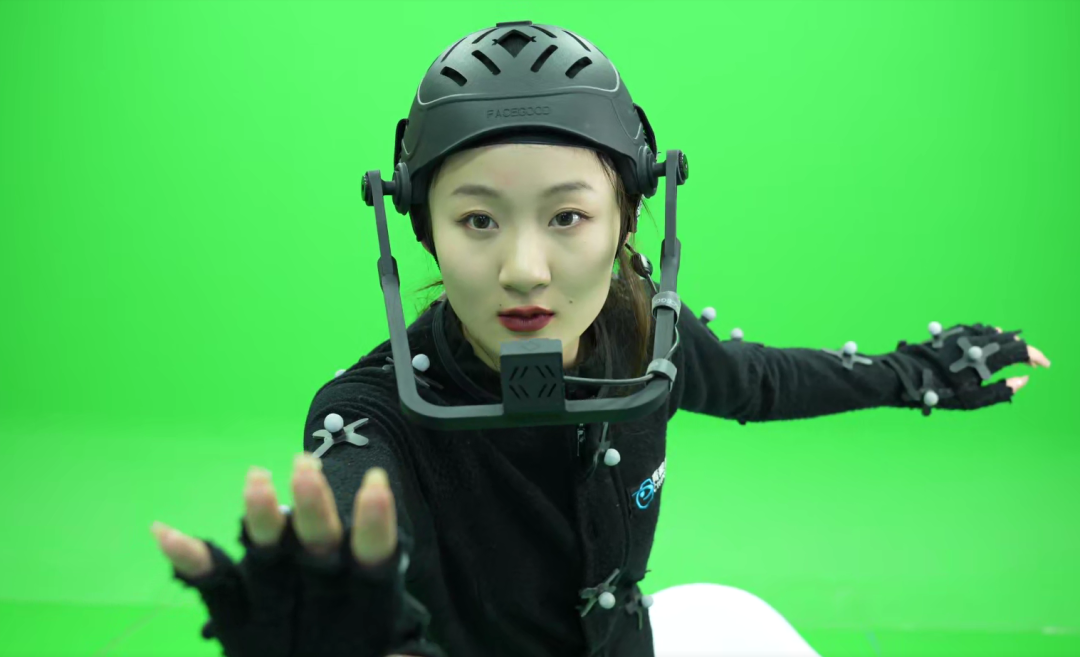
Motion‑capture can preserve actors’ subtle expressive nuances to the maximum extent. Even tiny micro‑expressions and slight movements are captured by high‑precision optical‑tracking cameras. CHINGMU Vision’s MC‑series optical motion‑capture system features high precision and low latency, capturing delicate facial and bodily motions in real‑time and reproducing the natural rhythm of character performances. As Director Cameron once noted, he prefers the term “performance capture” over “motion capture”. Once an actor conveys genuine emotion, their body language naturally follows suit. The motion‑capture system accurately records every meaningful glance, gesture and posture, powerfully amplifying the emotion and atmosphere of a scene.
Traditional filmmaking requires post‑production to preview how an actor’s performance will map onto a virtual character, interact with other avatars and fit within the digital environment. Motion‑capture enables real‑time previews of composited footage, allowing directors and movement choreographers to adjust performances on‑site. This improves narrative continuity and cuts down costly post‑production revisions.

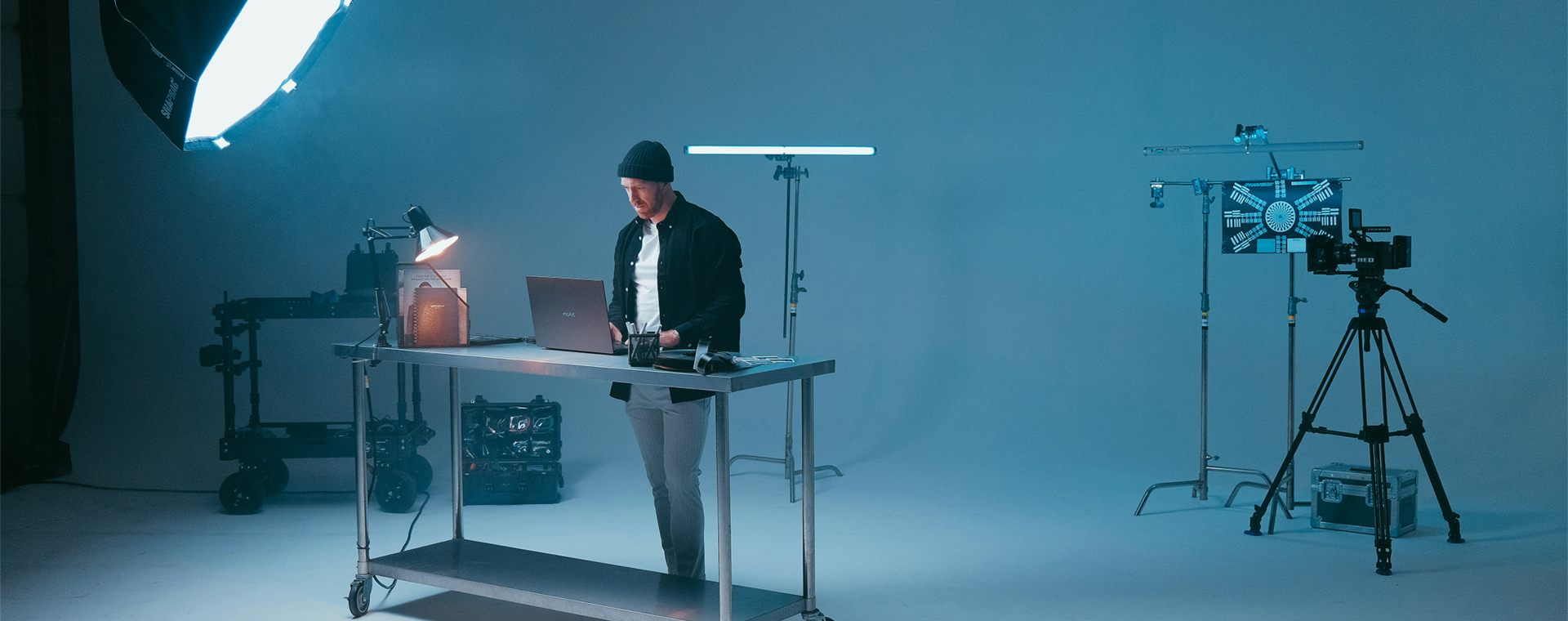
Motion‑capture synchronizes the physical shooting volume with the virtual scene, and locks real‑world cameras to their virtual counterparts. Using virtual‑production workflows, directors can view the final‑rendered scene directly on monitors, rather than seeing only a green‑screen background, simplifying on‑set direction. Long‑term CHINGMU partner MEGO deployed MC1300 motion‑capture cameras for multiple product‑launch events and MV shoots. In one of these MV projects, the creative team leveraged virtual‑camera technology to build multi‑angle visual environments.
The industry widely recognizes that motion‑capture streamlines film‑and‑animation workflows. Multiple technical teams can review and discuss the same shot or performance simultaneously, aligning creative expectations in real‑time, lowering communication overhead, shortening production cycles and minimizing post‑shot revisions. CHINGMU Vision also helps clients build customized pipelines, break through technical barriers and optimize their production workflows.
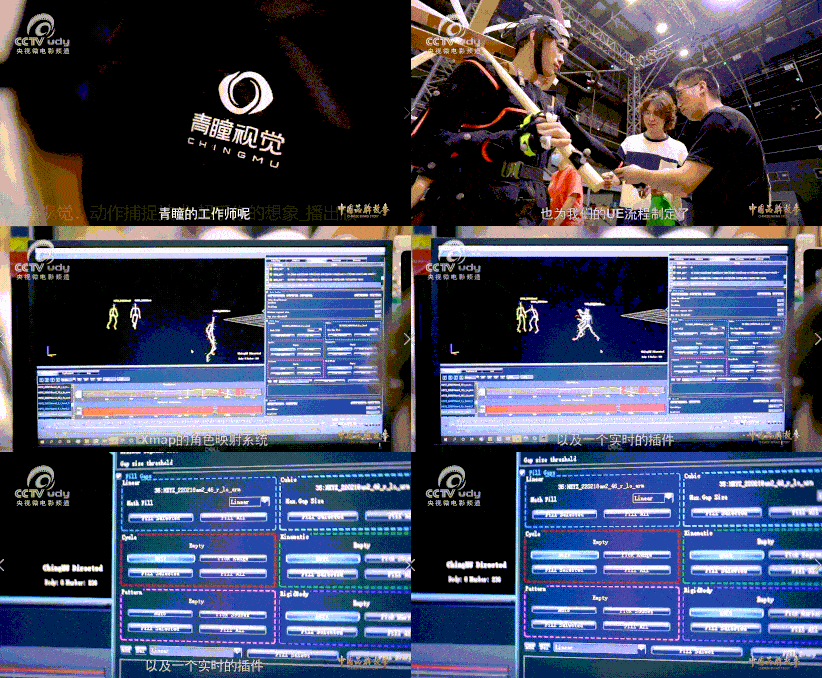
CHINGMU Vision helped Original Force Animation build a streamlined production pipeline.
Looking ahead, we hope more Chinese‑language films will adopt hybrid creative workflows to bring spectacular visual effects to outstanding screenplays and leave landmark achievements in the history of Chinese cinema. CHINGMU Vision will continue to do its utmost to inject innovative technological momentum into China’s film industry.
CHINGMU Joins OpenLET Community to Co‑Build an Open Ecosystem for Human Motion Data
On August 27 CHINGMU Shanghai Vision Technolog...




+86-21-56472866 / 13310099680
1190 Nong METACINE (South Gate), Building 1, CHINGMU, Zhengtai Road,Baoshan District, Shanghai

Hot searches: Motion capture, Optical motion capture, Motion capture system robot, Motion capture, Bionic robot, Motion control, Gait analysis, Rehabilitation training action assessment, Animation production, Virtual idol live streaming, Expression capture, Virtual production, Pre-visualization, Performance capture